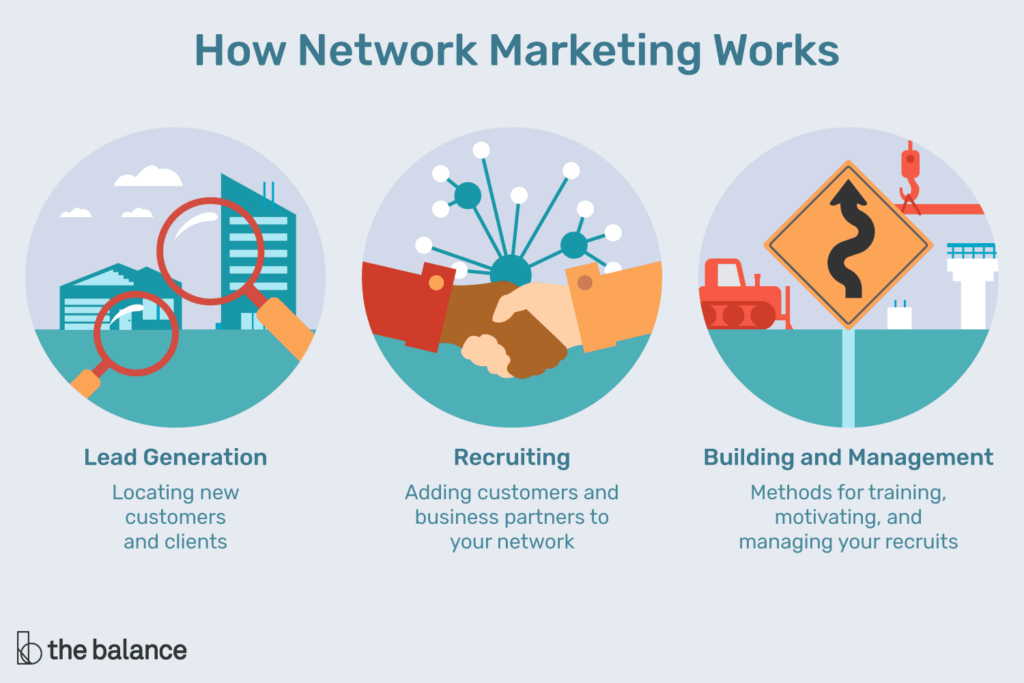
Have you ever wondered what multi level marketing (MLM) is all about? In this article, we will take a closer look at the concept of MLM and explore how it works. Whether you’ve heard of MLM before or are completely new to the idea, this article will provide a clear and friendly introduction to help you understand the ins and outs of this popular business model. So, let’s jump right in and demystify the world of multi level marketing!
What is Multi Level Marketing?
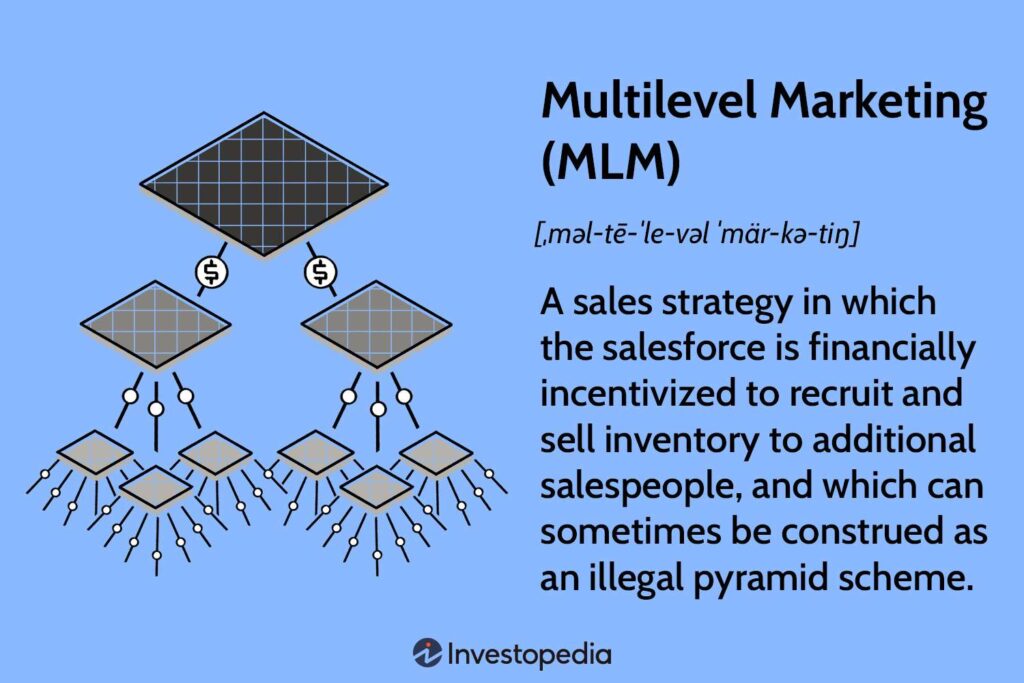
Multi Level Marketing (MLM), also known as network marketing or referral marketing, is a business model that relies on a network of independent distributors to promote and sell products or services. It is a method of direct selling where distributors earn commissions not only from their own sales but also from the sales of the distributors they recruit. MLM companies typically operate on a tiered structure, with distributors able to earn income from multiple levels within their organization.
The Structure of Multi Level Marketing
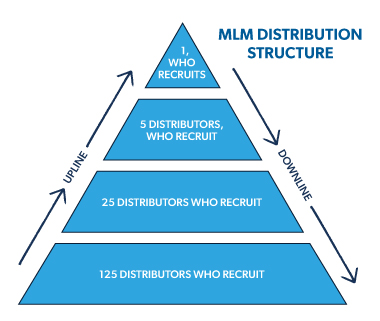
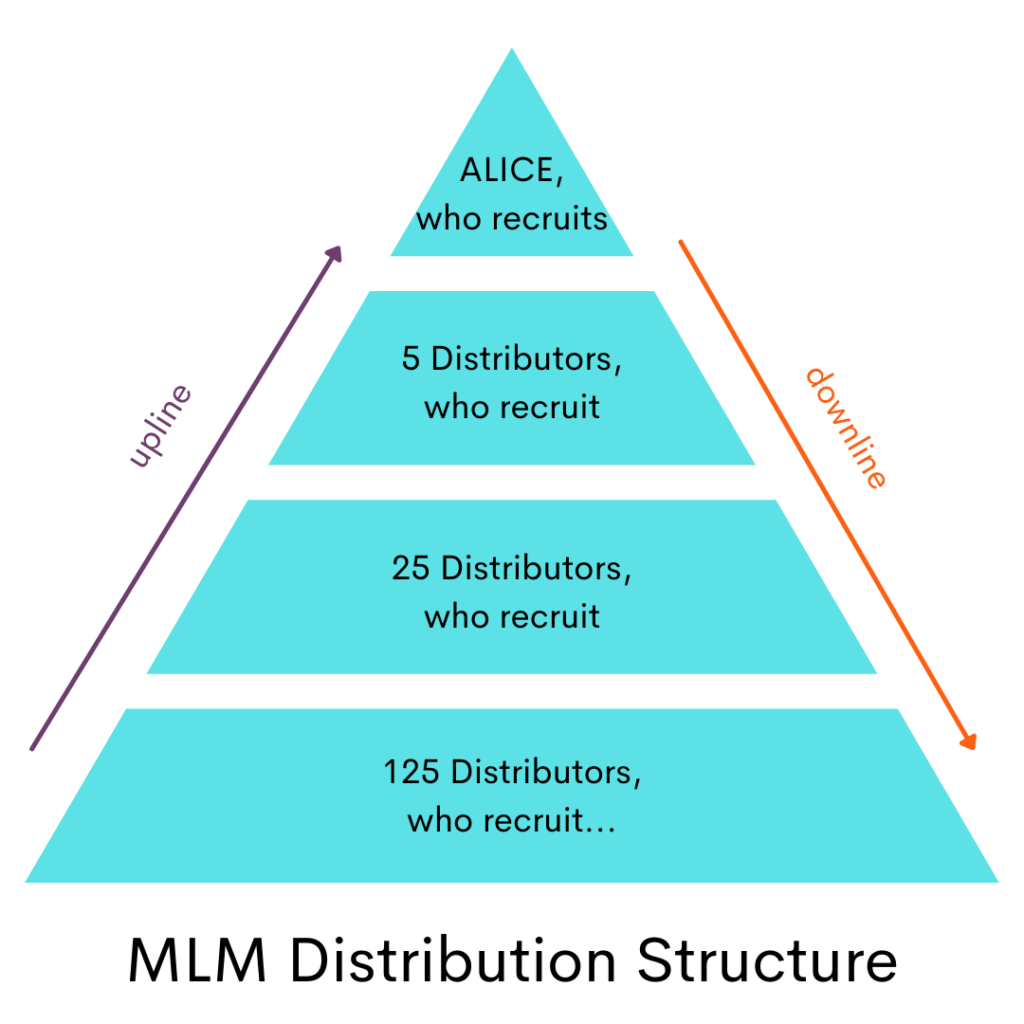
The structure of a multi level marketing company is designed to encourage teamwork and incentivize distributors to recruit others into the business. At the top of the structure is the company itself, which produces and distributes the products or services. Below the company are multiple levels of distributors, often referred to as a downline. Each distributor in the downline has their own downline, creating a hierarchical structure. Distributors earn commission from both their personal sales and the sales made by those in their downline.
How Does Multi Level Marketing Work?
In order to get started in multi level marketing, individuals must first join a specific MLM company as an independent distributor. Upon joining, they usually purchase a startup kit or an initial inventory of products at a discounted rate. Distributors then have the opportunity to sell these products directly to customers, earning a commission on each sale. Additionally, they can recruit others to join the company as distributors, creating their downline.
When distributors recruit others, they become their upline and can earn a percentage of their downline’s sales. As the downline grows and they recruit more distributors, their potential for earning increases. This creates a motivating and self-sustaining system, where distributors are incentivized to not only sell products but also to recruit others and help them succeed.
Benefits of Multi Level Marketing
One of the key benefits of multi level marketing is the flexibility it offers. As a distributor, you have the freedom to choose your own working hours and determine how much effort you want to put into the business. Whether you’re a stay-at-home parent, a student looking for extra income, or someone wanting to transition to entrepreneurship, MLM can provide a flexible opportunity to earn money.
Another benefit of MLM is the potential for passive income. As your downline grows and recruits their own distributors, you can earn a residual income from their sales. This means that even when you’re not actively selling products, you can still earn money from the efforts of your team.
Additionally, MLM often provides training and support to its distributors. Whether it’s through online resources, conferences, or mentorship programs, MLM companies invest in the success of their distributors and provide them with the tools and knowledge to grow their business.
Challenges and Risks in Multi Level Marketing
While there are benefits to multi level marketing, there are also challenges and risks associated with this business model. One of the main challenges is recruitment. Building a successful downline requires the ability to recruit and train others effectively. It can be difficult to find individuals who are motivated and willing to put in the effort required to be successful in MLM.
Another challenge is the potential for saturation in the market. As MLM companies grow in popularity, there may be an abundance of distributors promoting the same products or services, making it more challenging to stand out and find customers.
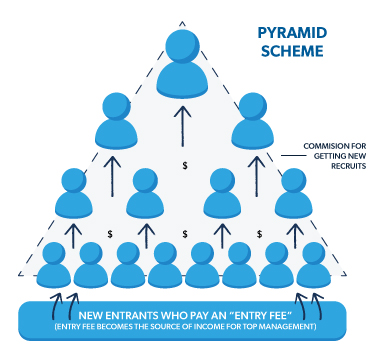
Additionally, some MLM companies have faced legal issues and accusations of being pyramid schemes. It’s important to thoroughly research and evaluate MLM companies before joining to ensure that they have a legitimate business model and are compliant with legal requirements.
Key Features of a Successful MLM Company
A successful MLM company typically has several key features that contribute to its success. First, it offers high-quality products or services that are in demand. The products should be unique, differentiated from competitors, and provide value to customers.
Second, a successful MLM company has a strong compensation plan. The compensation plan should provide distributors with fair and transparent earning opportunities, allowing them to make a reasonable income based on their efforts and the performance of their downline.
Third, a successful MLM company values training and support. Providing ongoing training, resources, and mentorship to distributors helps them develop the skills and knowledge necessary for success. This support system creates a positive and empowering environment for distributors to thrive.
The Role of Distributors in MLM
Distributors play a crucial role in the success of an MLM company. They are the face of the company, promoting and selling its products or services to customers. Distributors are responsible for building and maintaining relationships with their customers, providing product information, and delivering excellent customer service.
In addition to selling products, distributors also have the opportunity to recruit and train new distributors. By sharing their knowledge and experience, distributors can help others start their own businesses and grow their downline. This creates a sense of teamwork and collaboration within the MLM community.
Compensation Plans in MLM
Compensation plans in MLM can vary, but they generally involve multiple ways for distributors to earn income. The most common form of compensation in MLM is through commissions on product sales. Distributors earn a percentage of the sales they generate personally.
Additionally, distributors can earn money from the sales made by their downline. This can be in the form of overrides or bonuses based on the sales volume of their team. The structure of the compensation plan determines how much a distributor can earn from their downline’s sales.
Some MLM companies also offer incentives and rewards for achieving specific milestones or targets. This can include cash bonuses, trips, or other recognition for exceptional performance.
Legal and Ethical Considerations in MLM
It’s important for MLM companies and distributors to abide by legal and ethical guidelines. This includes complying with relevant laws and regulations, such as those relating to pyramid schemes and deceptive advertising. MLM companies should have clear policies in place to ensure distributors are operating ethically and in compliance with the law.
Transparency is a key ethical consideration. MLM companies should provide clear and accurate information about their compensation plan, product details, and any potential risks or challenges involved in the business. Distributors should also be transparent with their customers, providing honest information and not making unrealistic promises or claims.
Common Types of MLM Products
There is a wide range of products and services offered within the MLM industry. Some common types include health and wellness products, beauty and skincare products, weight loss supplements, clothing and accessories, and household items.
Health and wellness products are particularly popular in MLM, with many companies offering nutritional supplements, vitamins, and other wellness-focused products. Beauty and skincare products, such as makeup, anti-aging creams, and skincare routines, are also commonly found in MLM.
The diversity of products in MLM allows individuals to align their business with their personal interests and passions. By choosing products they believe in and are excited about, distributors can effectively promote and sell those products to their target market.
In conclusion, multi level marketing is a unique business model that offers individuals the opportunity to earn income through both product sales and recruitment of distributors. While it has its challenges and risks, MLM provides flexibility, potential for passive income, and the chance to build a network of like-minded individuals. By understanding the structure, benefits, challenges, and legal considerations of MLM, you can make an informed decision about whether it is the right business opportunity for you.