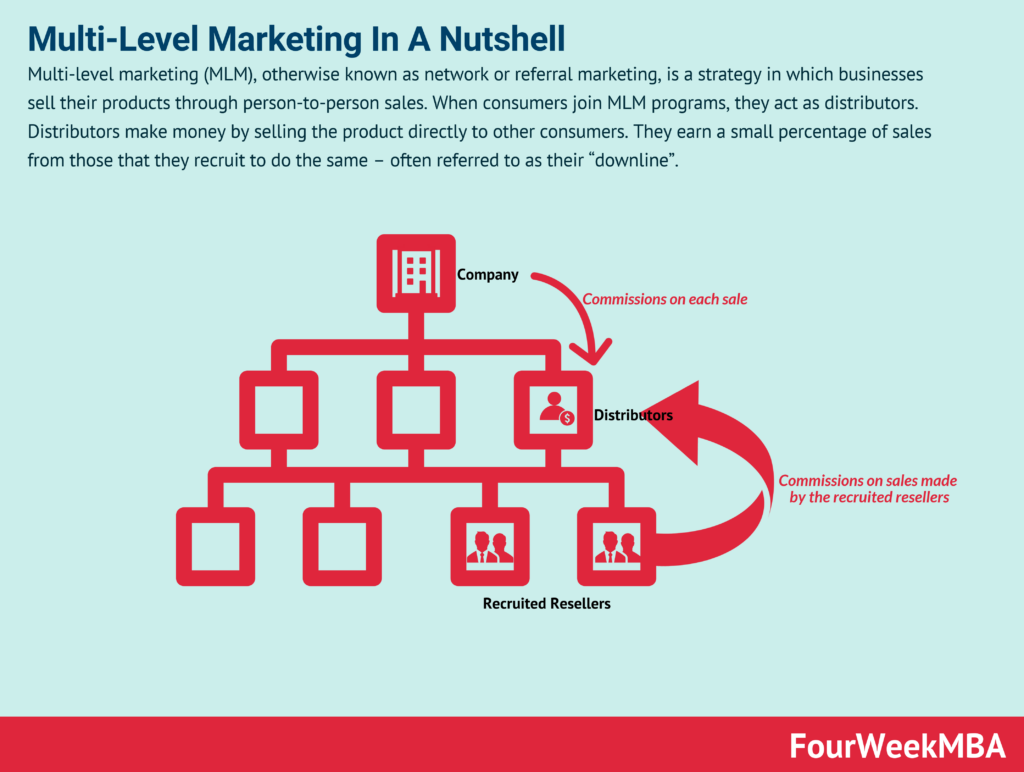
Have you ever heard someone mention MLM and wondered what exactly they were talking about? Well, you’re not alone! MLM, which stands for Multi-Level Marketing, is a business model that has gained popularity in recent years. It involves individuals selling products or services and recruiting others to become distributors as well, earning them commissions on their sales and the sales of their recruits. MLM companies often have a tiered structure, with distributors working their way up the ranks through recruitment and sales targets. In this article, we’ll delve deeper into what MLM really means and how it works, so keep reading to learn more!
In the world of MLM, it’s all about building a network of distributors who will sell and promote the products or services offered by the company. Each distributor is essentially running their own mini-business within the MLM structure. They make money not only through their own sales, but also by earning a percentage of the sales made by their recruits. The more distributors you have in your network, the more potential for earning commissions. MLM companies often incentivize recruitment and offer bonuses or rewards for reaching certain milestones.
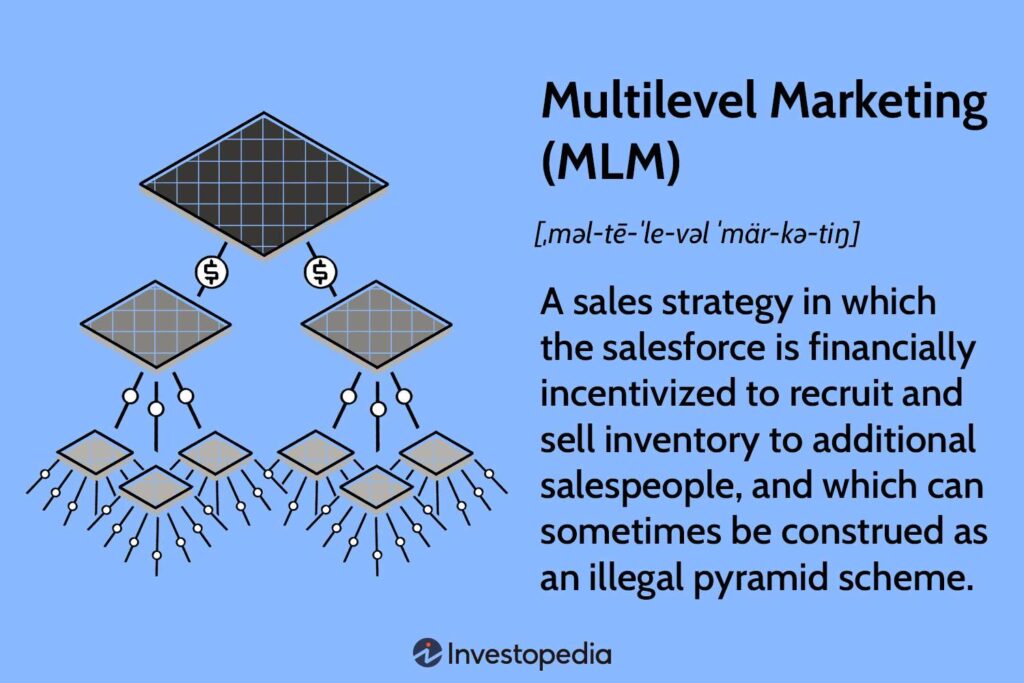
While MLM has gained popularity and success for some, it’s important to be aware that it can also be controversial. Criticism often stems from the structure of MLM, which some argue resembles a pyramid scheme. Pyramid schemes are illegal and unsustainable, as they rely solely on recruiting new members rather than selling actual products or services. However, legitimate MLM companies focus on product sales and recruit distributors as a way to expand their reach. It’s crucial to do thorough research and evaluate any MLM opportunity before getting involved.
So, now that you have a general idea of what MLM means, are you curious to learn more about how it works and the pros and cons? In our upcoming article, we’ll dive deeper into the world of MLM and explore the benefits and challenges faced by those involved. Stay tuned for more insights into this often-debated business model!
Definition of MLM
Understanding the concept of MLM
MLM stands for Multi-Level Marketing, which is a business model where companies sell products or services through a network of distributors. These distributors not only sell the products, but they also recruit new members to join the MLM company and become distributors themselves. This creates multiple levels or tiers within the distribution network, hence the name “Multi-Level Marketing.”
Exploring the acronym MLM
Each letter in the acronym MLM represents a key aspect of this business model:
- M: Multi-Level – Refers to the hierarchical structure of the distribution network, where distributors can recruit and sponsor new members, who then become part of their downline.
- L: Marketing – Indicates that the primary focus of MLM is on selling products or services to consumers. Distributors are responsible for marketing and promoting the company’s offerings.
- M: MLM – The acronym itself is commonly used to refer to this business model.
History of MLM
Origins of MLM
The concept of MLM can be traced back to the late 19th century when companies began utilizing a direct selling method to reach consumers. One of the earliest examples of MLM-like practices was seen in the sale of books by traveling salesmen.
Early examples of MLM companies
The first official MLM company is considered to be Nutrilite, founded in the 1930s. Nutrilite sold nutrition and dietary supplements through a network of distributors, who not only sold products but also recruited new distributors. Another well-known early MLM company is Tupperware, renowned for its plastic kitchenware products and the direct selling approach they used.
Evolution of MLM over the years
Since its early beginnings, MLM has evolved and grown significantly. Many new companies have adopted this business model, offering a diverse range of products and services. The advent of the internet and social media revolutionized MLM, allowing distributors to reach a wider audience and conduct business more efficiently.
MLM Business Model
Structure of MLM
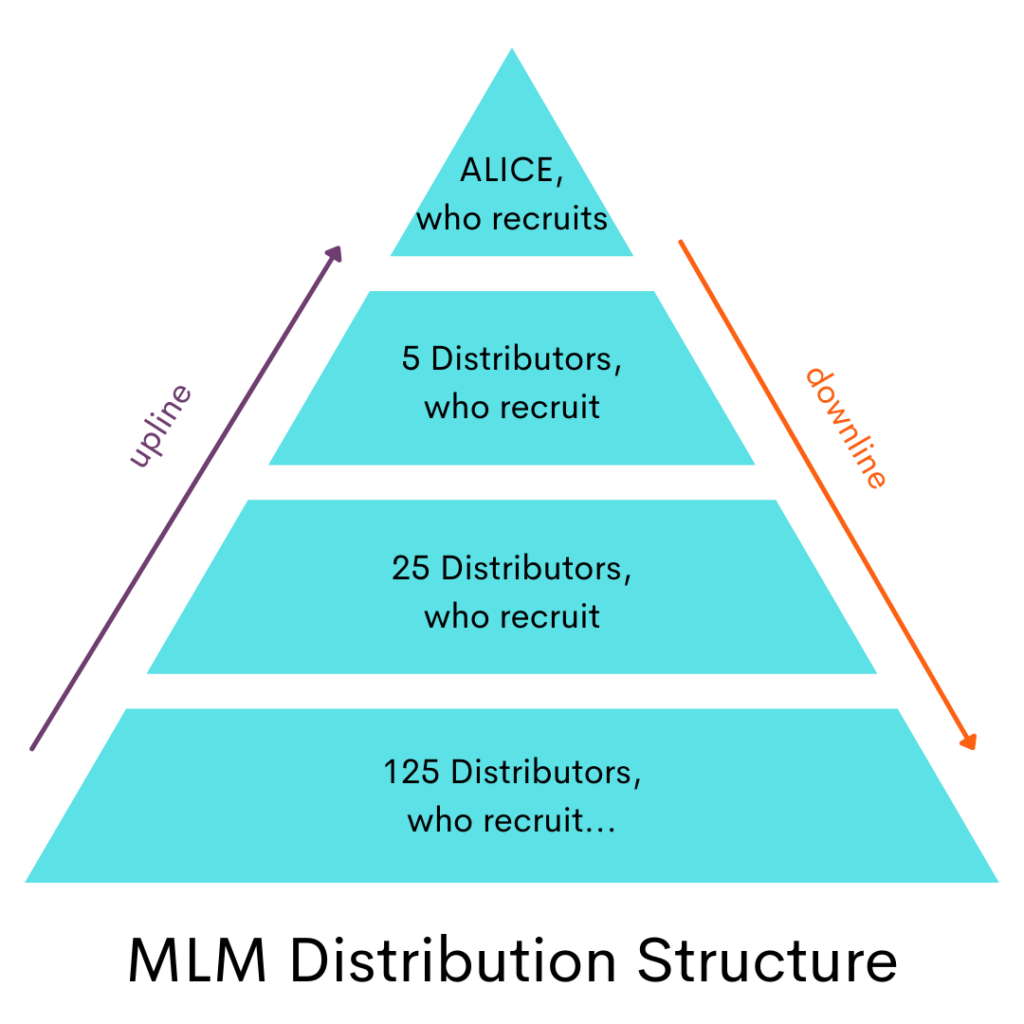
MLM companies typically have a hierarchical structure consisting of multiple levels. At the top of the pyramid is the company itself, followed by various distributors at different levels. The distributors recruit and sponsor new members, who then become part of their downline.
Key players in MLM
In MLM, there are three main roles:
-
Distributors: They are the primary salesforce of the MLM company. They sell products, recruit new members, and earn commissions from sales made by their downline.
-
Upline: Refers to the distributors who are above a particular distributor in the hierarchy. They provide support, training, and guidance to their downline.
-
Downline: Represents the distributors who are recruited and sponsored by a particular distributor. They form a network under that distributor and generate sales.
Different MLM compensation plans
MLM companies use various compensation plans to incentivize their distributors. Some common compensation plans include:
-
Binary Plan: Distributors have two legs or downlines, and commissions are based on the sales volume generated by both legs.
-
Unilevel Plan: Distributors can have unlimited downlines, and commissions are based on the sales volume generated by the entire downline network.
-
Matrix Plan: Distributors have a limited number of downlines, usually arranged in a fixed matrix structure, and commissions are based on the sales volume generated within the matrix.
-
Stairstep Breakaway Plan: Distributors start at a lower level and can progress to higher levels by meeting certain sales targets. Commissions increase as they move up the ranks.
Benefits of MLM
Flexibility in working hours
One of the significant advantages of MLM is the flexibility it offers in terms of working hours. As a distributor, you can choose to work part-time or full-time, depending on your availability and personal commitments. This flexibility allows you to pursue other interests or take care of family responsibilities while still earning an income through MLM.
Opportunity for passive income
MLM provides an opportunity to generate passive income. As you build your downline and your team members make sales, you earn commissions from their efforts. This passive income stream can be particularly beneficial in the long run, as it continues to generate income even when you are not actively selling products.
Personal development opportunities
Joining an MLM company can offer various personal development opportunities. By becoming a distributor, you gain experience in sales, marketing, and leadership. MLM often provides training programs and resources to help distributors enhance their skills, such as public speaking, presentation skills, and team management. These personal development opportunities can be valuable for both personal and professional growth.
Challenges in MLM
Finding reliable distributors
One of the main challenges in MLM is finding and retaining reliable distributors. Not every person recruited into an MLM company will become a successful distributor. It requires dedication, hard work, and effective selling skills to excel in MLM. Finding individuals who are committed to the business and willing to put in the effort can be a constant challenge for MLM companies.
Sustainability of MLM companies
Another challenge is the sustainability of MLM companies. Some MLM companies have faced criticism and legal issues, which have impacted their reputation. It is essential for MLM companies to have a solid business model, provide high-quality products or services, and demonstrate transparency and ethical practices to ensure long-term success.
Negative reputation and misconceptions
MLM has often been associated with negative connotations and misconceptions. Some people view MLM as a pyramid scheme or a scam, mainly due to the misconception that MLM solely relies on recruiting new members rather than selling actual products or services. This negative reputation can make it difficult for MLM distributors to build trust with potential customers and recruit new members.
Successful MLM Strategies
Building a strong network
Building a strong network is crucial for MLM success. This involves not only recruiting new members but also providing support and guidance to your downline. By fostering relationships and creating a sense of community within your network, you can encourage teamwork and mutual support, leading to increased sales and success for everyone involved.
Effective communication and leadership
Effective communication and leadership skills are essential for MLM distributors. Clear and concise communication with potential customers and team members can help build trust and credibility. Strong leadership skills, such as mentoring and motivating your downline, can inspire and empower them to achieve their goals and contribute to the overall success of the network.
Utilizing social media for MLM
In today’s digital age, social media plays a significant role in MLM. Distributors can leverage social media platforms like Facebook, Instagram, and LinkedIn to reach a broader audience, showcase products, and attract potential customers and recruits. Engaging content, consistent posting, and building an online presence can help increase visibility and generate leads for MLM distributors.
MLM vs. Pyramid Schemes
Distinguishing characteristics of MLM
MLM is often mistaken for a pyramid scheme, but there are key distinguishing characteristics that separate the two:
-
MLM focuses on selling products or services, whereas pyramid schemes primarily rely on recruiting new members and their investments.
-
In MLM, distributors earn commissions from product sales and the sales made by their downline. In a pyramid scheme, the primary income source is recruitment fees paid by new members.
Identifying pyramid schemes
Pyramid schemes are illegal in many countries because they are unsustainable and often result in financial loss for participants. To identify a potential pyramid scheme, look for warning signs such as:
- High emphasis on recruitment and enrollment fees rather than product sales.
- Promises of high returns and quick profits without much effort or product sales.
- Lack of a genuine product or service being offered.
Legal aspects of MLM
MLM companies must operate within the legal framework of the countries they operate in. It is essential for MLM companies to comply with laws and regulations related to direct selling, pyramid schemes, and false advertising. By following legal requirements and demonstrating transparency, MLM companies can build trust and credibility within the market.
Famous MLM Companies
Well-known MLM companies globally
There are several well-known MLM companies that have achieved significant success globally. Some examples include:
-
Amway: A pioneer in the MLM industry, Amway offers a wide range of products, including health and wellness, beauty, and home care.
-
Herbalife: Known for its nutritional supplements and weight management products, Herbalife operates in over 90 countries and has a large network of distributors.
-
Avon: Avon is a well-established MLM company specializing in beauty and personal care products. The company has a strong presence in many countries around the world.
Success stories in MLM
MLM has created success stories for many individuals, allowing them to achieve financial independence and personal growth. Distributors who have built large and successful networks have been able to earn substantial incomes and create a positive impact on their lives and the lives of others. These success stories serve as inspiration for aspiring MLM distributors.
MLM in the Digital Age
Impact of technology on MLM
The digital age has revolutionized MLM, providing distributors with new tools, platforms, and resources to conduct their business more efficiently. Technology has enabled easier communication, faster transactions, and wider reach for MLM distributors. The internet and social media have broken down geographical barriers, allowing distributors to connect with potential customers and recruits from around the world.
Online tools and resources for MLM
There are various online tools and resources available for MLM distributors to enhance their business. MLM companies often provide online platforms and websites for distributors to manage their businesses, track sales, and access training materials. Additionally, there are third-party platforms and apps specifically designed for MLM, offering features like inventory management, customer relationship management, and automated marketing tools.
E-commerce and MLM integration
The integration of e-commerce and MLM has opened up new avenues for distributors to sell products. With an e-commerce platform, distributors can reach a broader customer base and facilitate online transactions. Customers can conveniently purchase products directly from distributors’ online stores. This integration of e-commerce and MLM has streamlined the sales process and expanded business opportunities.
Conclusion
Recap of key points discussed in the article
In this article, we explored the definition of MLM, its history, business model, benefits, challenges, successful strategies, and its integration with the digital age. MLM is a unique business model that offers flexibility, passive income potential, and personal development opportunities. It has faced challenges related to finding reliable distributors, sustaining MLM companies, and overcoming negative reputation and misconceptions. However, successful MLM strategies, such as building a strong network, effective communication, and utilizing social media, can contribute to MLM success.
Final thoughts on MLM and its significance
MLM has played a significant role in the business world, providing individuals with the opportunity to start their own businesses, earn income, and develop valuable skills. Despite the challenges and misconceptions associated with MLM, it continues to thrive and evolve in the digital age. As technology advances and MLM companies adapt to changing consumer behaviors, the future of MLM looks promising. Whether you choose to become a distributor or simply want to understand the concept of MLM, it is crucial to approach it with an open mind, research reputable companies, and make informed decisions.