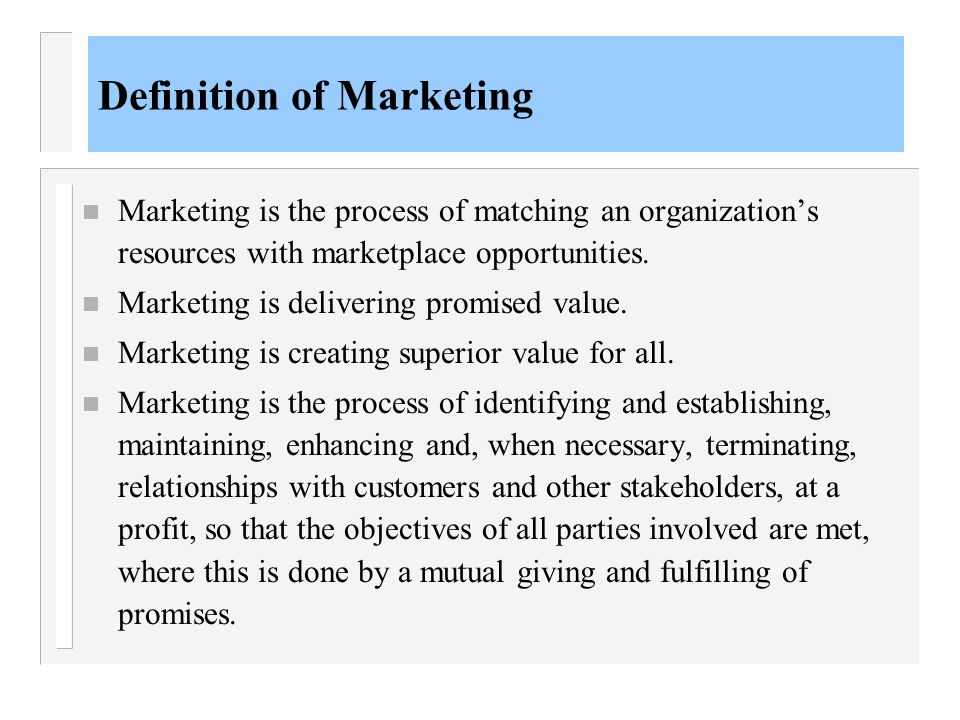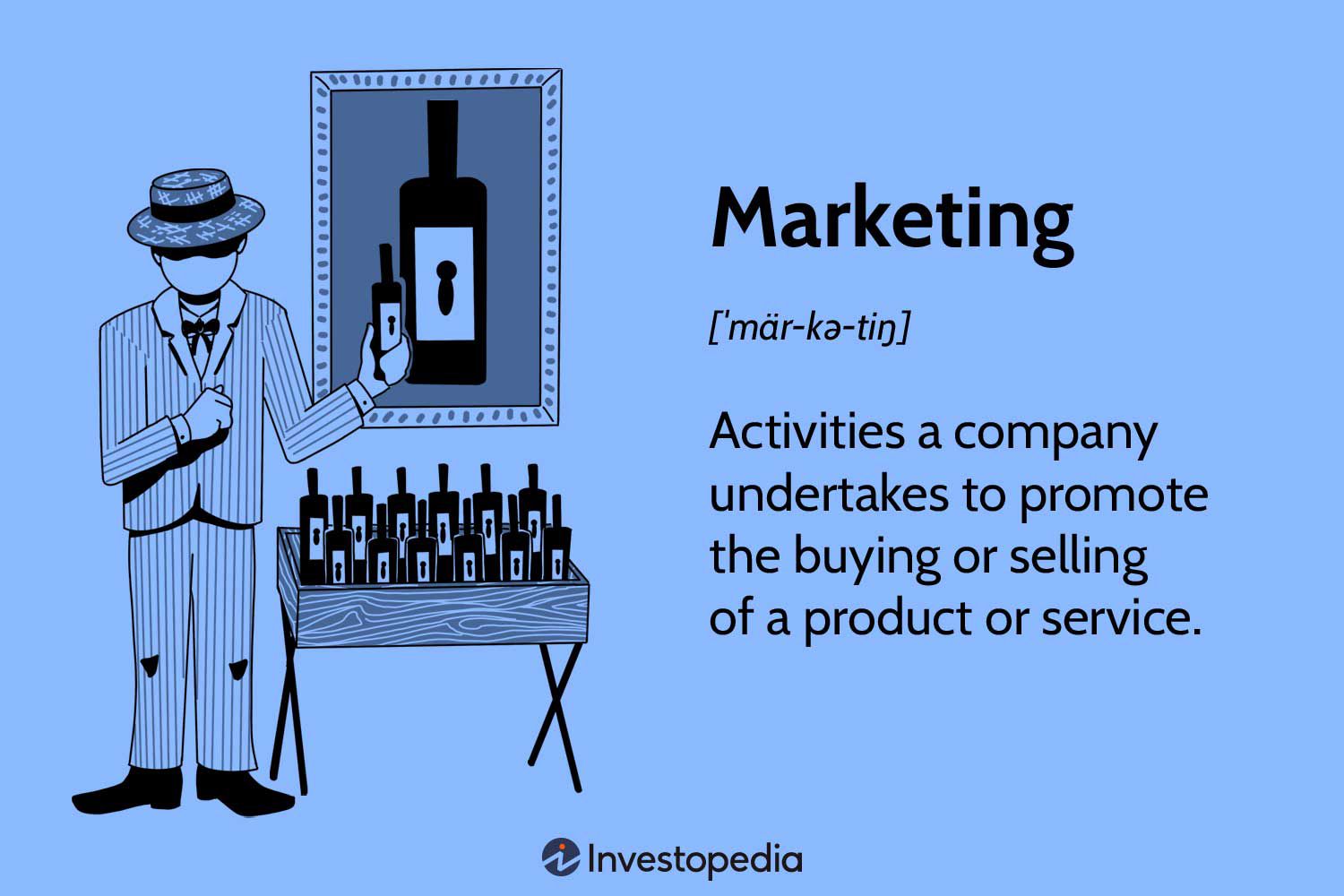
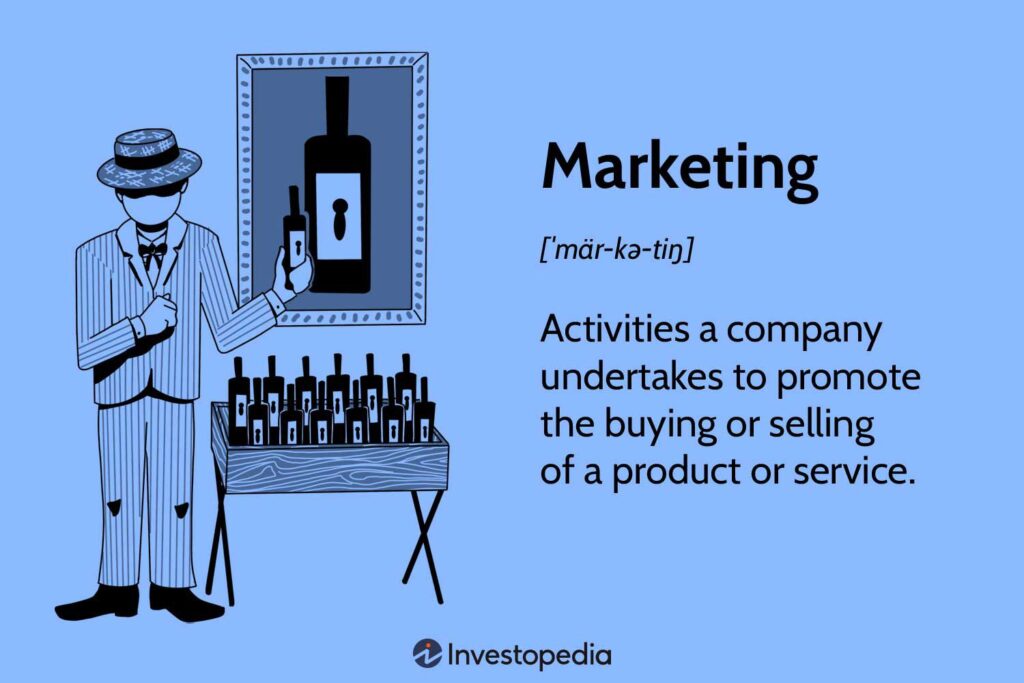
Ladies and gentlemen, let’s embark on an enlightening journey as we delve into the captivating world of marketing. Whether you are a seasoned professional, an aspiring entrepreneur, or simply someone seeking a deeper understanding of this multifaceted concept, this article aims to provide you with a comprehensive understanding of the definition of marketing.
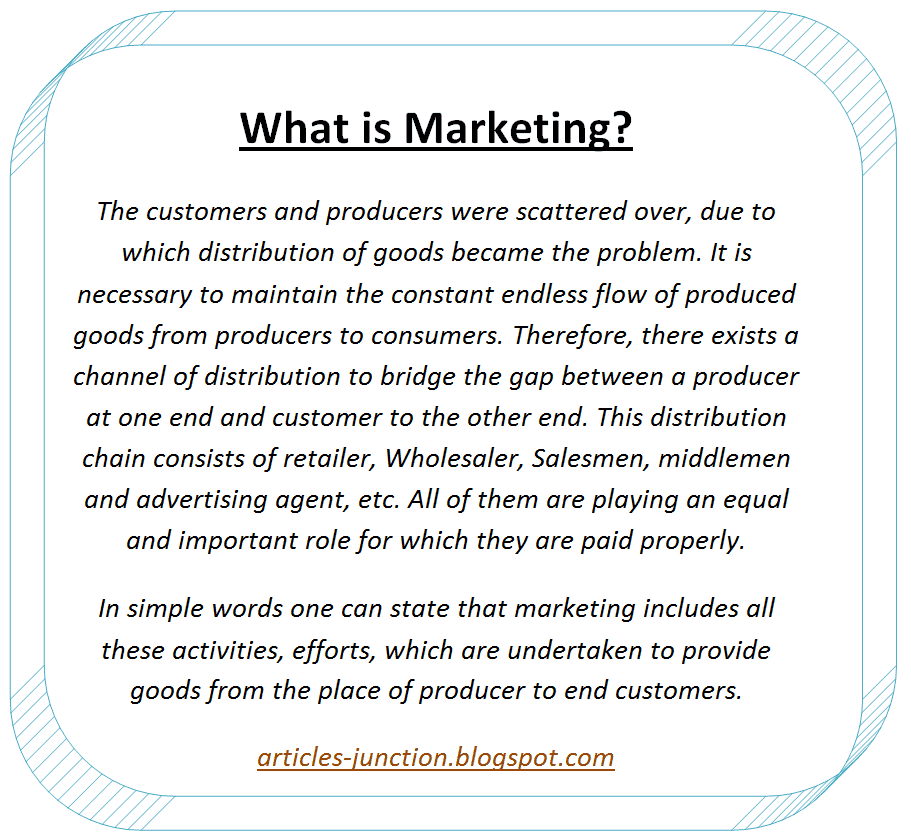
Marketing, at its core, is the art and science of effectively promoting and selling products or services. It encompasses a wide array of strategies, techniques, and activities, all aimed at capturing the attention of potential consumers and convincing them of the value that a particular product or service can bring to their lives. Throughout this article, we will explore the intricacies of marketing, shedding light on its various components, its profound impact on businesses of all sizes, and the evolving nature of this dynamic field.
So, strap yourself in as we embark on this journey of discovery, where we will unravel the mysteries of marketing and empower you with the knowledge to navigate the ever-changing landscape of consumer behavior, competition, and innovation. Together, we will unlock the secrets behind successful marketing campaigns and equip you with the tools to create compelling strategies that will captivate your target audience and foster lasting connections. Let’s begin this remarkable exploration into the fascinating world of marketing.
The Basics of Marketing
Key Concepts of Marketing
Marketing is a multifaceted discipline that encompasses a range of activities aimed at promoting and selling products or services. To understand the basics of marketing, it is important to familiarize yourself with key concepts that underpin the marketing process.
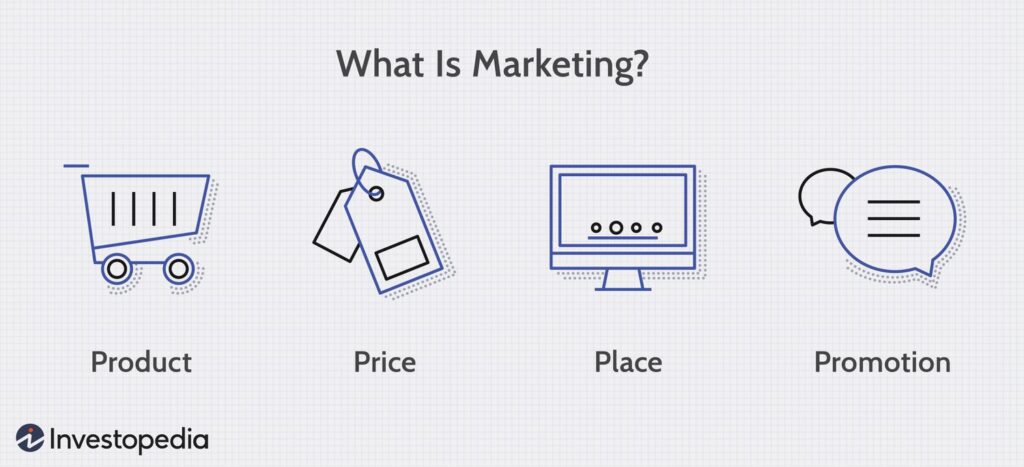
The four P’s of marketing are fundamental principles that guide marketers in their efforts. These are Product, Price, Place, and Promotion. Product refers to the actual goods or services being offered, while price refers to the cost of the product to consumers. Place refers to the distribution channels through which products are made available to customers, and promotion relates to the activities aimed at raising awareness and persuading customers to purchase the product.
Marketing Objectives
Marketing objectives serve as the compass that guides marketing efforts and help businesses achieve their overall goals. These objectives may vary depending on the company’s specific needs, but they generally revolve around increasing brand awareness, driving sales and revenue, and understanding customer needs.
Increasing brand awareness is one of the most critical marketing objectives. By building brand recognition, businesses can establish trust and loyalty among their target audience. This is achieved through various marketing strategies and tactics, such as advertising, public relations, and social media marketing.
Driving sales and revenue is another crucial marketing objective. By effectively promoting products or services and convincing potential customers of their value, marketers can boost sales and ultimately contribute to business growth. Strategies like targeted promotional activities, creating compelling content, and leveraging customer feedback can help achieve this objective.
Understanding customer needs is also an essential marketing objective. By conducting market research, analyzing consumer behavior, and gathering feedback, businesses can gain insights into their target audience’s preferences, desires, and pain points. This information can then inform product development, pricing strategies, and marketing campaigns, leading to improved customer satisfaction and increased competitiveness.
The Marketing Mix
The marketing mix refers to the combination of the four P’s of marketing (product, price, place, and promotion) that a company employs to achieve its marketing objectives. These elements must be carefully considered and tailored to suit the specific needs and preferences of the target audience.
Product refers to the offerings that a company brings to the market. It involves developing products or services that fulfill the needs and desires of customers while providing a competitive advantage over rivals. This includes aspects such as product features, quality, packaging, and branding.
Price relates to the monetary value that customers are willing to pay for a product or service. It involves determining the optimal price point that maximizes revenue while remaining competitive in the market. Pricing strategies can include penetration pricing, skimming pricing, or value-based pricing, depending on the company’s goals and target market.
Place refers to the distribution channels through which products are made available to consumers. This includes decisions related to selecting appropriate retail outlets, e-commerce platforms, or direct sales approaches. The goal is to ensure that products are easily accessible and conveniently located for the target audience.
Promotion encompasses all the activities aimed at raising awareness and stimulating interest in a company’s products or services. This can include advertising, public relations, sales promotions, and digital marketing efforts. The objective is to create a strong and positive brand image, drive customer engagement, and ultimately generate sales.
The Evolution of Marketing
Traditional Marketing
Traditional marketing refers to the traditional methods used to promote products or services before the advent of digital technologies. This includes print advertisements, television and radio commercials, billboards, direct mail campaigns, and trade shows.
While traditional marketing still holds relevance in certain industries and target markets, it has faced challenges in reaching modern consumers who are increasingly relying on digital platforms for information and entertainment. Nevertheless, traditional marketing can still be effective in reaching specific demographics or when combined with digital marketing strategies to create an integrated marketing approach.
Digital Marketing
Digital marketing has revolutionized the marketing landscape, providing businesses with new and innovative ways to reach and engage with their target audience. It involves utilizing digital channels such as websites, search engines, social media platforms, email marketing, and mobile applications to promote products or services.
Digital marketing offers numerous advantages, including the ability to target specific demographics, track and measure marketing efforts in real-time, and personalize messaging to individual customers. It allows businesses to reach a global audience, enhance brand visibility, and create interactive and engaging experiences for consumers.
Content Marketing
Content marketing has emerged as a powerful tool in the digital marketing arsenal. It involves creating and distributing valuable, relevant, and consistent content to attract and retain a clearly defined target audience. This content can include blog posts, articles, videos, infographics, and social media posts.
The goal of content marketing is to provide informative and entertaining content that not only attracts potential customers but also establishes the business as a trusted authority in its industry. By offering valuable content, businesses can build brand loyalty, establish credibility, and generate leads. Content marketing is particularly effective in nurturing customer relationships and driving long-term customer engagement.
The Importance of Marketing
Building Brand Awareness
Building brand awareness is crucial for businesses of all sizes and industries. It involves making potential customers aware of a company’s products or services and creating a positive association with the brand. Strong brand awareness enhances a company’s reputation, fosters customer trust, and differentiates it from competitors.
Marketing plays a central role in building brand awareness by utilizing various channels and strategies to reach and engage with the target audience. Through consistent messaging, memorable branding, and targeted promotions, marketers can increase brand visibility and recognition.
Increasing Sales and Revenue
One of the primary goals of marketing is to drive sales and generate revenue for a business. By effectively promoting products or services and convincing potential customers of their value, marketers can stimulate customer demand and generate sales.
Marketing strategies such as targeted advertising campaigns, sales promotions, and persuasive messaging can be employed to increase sales and revenue. These strategies aim to appeal to the target audience’s needs and desires, highlight the unique selling propositions of the products or services, and create a sense of urgency or exclusivity.
Understanding Customer Needs
Marketing plays a vital role in understanding customer needs and preferences. Through market research, data analysis, and customer feedback, businesses can gain insights into what motivates their target audience to make purchasing decisions.
By understanding customer needs, businesses can tailor their products or services to better meet those needs, develop pricing strategies that align with customer expectations, and create effective marketing campaigns that resonate with the target audience. This knowledge also enables businesses to identify emerging trends and adapt their offerings to stay ahead of the competition.
The Role of Marketing in Business
Customer Acquisition
Customer acquisition refers to the process of attracting new customers to a business. This process involves identifying and reaching out to potential customers, convincing them of the value of the products or services, and ultimately converting them into paying customers.
Marketing plays a critical role in customer acquisition by raising awareness about a company’s offerings, generating leads, nurturing those leads through targeted marketing campaigns, and finally converting them into customers. Effective marketing strategies and tactics can help businesses expand their customer base and increase market share.
Customer Retention
Customer retention involves maintaining and nurturing relationships with existing customers to encourage repeat business and build long-term customer loyalty. It is more cost-effective to retain existing customers than to acquire new ones, making customer retention a crucial aspect of business success.
Marketing contributes to customer retention by creating personalized communication channels, providing exceptional customer service, and continuously delivering value to customers. By establishing strong customer relationships and consistently meeting or exceeding customer expectations, businesses can encourage customer loyalty, repeat purchases, and positive word-of-mouth referrals.
Market Research
Market research is a vital function of marketing that involves gathering and analyzing data about the target market, customer behavior, and competitor activities. It provides businesses with valuable insights into market trends, consumer preferences, and competitive dynamics.
By leveraging market research, businesses can make informed decisions regarding product development, pricing strategies, target audience selection, and marketing campaigns. It helps identify gaps in the market, emerging opportunities, and potential threats. Market research serves as the foundation for effective marketing strategies and ensures that businesses stay relevant and competitive in their industry.
Marketing Strategies and Tactics
Segmentation and Targeting
Segmentation and targeting are essential marketing strategies that involve dividing the market into distinct groups or segments based on common characteristics or needs and targeting specific segments with tailored marketing efforts.
Market segmentation allows businesses to better understand their target audience and develop marketing campaigns that resonate with specific segments. By identifying and targeting the most relevant segments, businesses can allocate their marketing resources effectively and deliver highly personalized messaging.
Positioning and Differentiation
Positioning and differentiation strategies focus on establishing a unique and favorable position in the minds of the target audience. By effectively differentiating themselves from competitors, businesses can capture the attention and loyalty of customers.
Positioning involves creating a distinct brand image and messaging that sets a business apart from competitors. It highlights the unique selling propositions, benefits, and value that a business offers to its customers.
Differentiation, on the other hand, involves identifying and emphasizing the unique features and attributes of a product or service that differentiate it from competitors. This can be achieved through product innovation, superior quality, exceptional customer service, or competitive pricing.
Promotional Activities
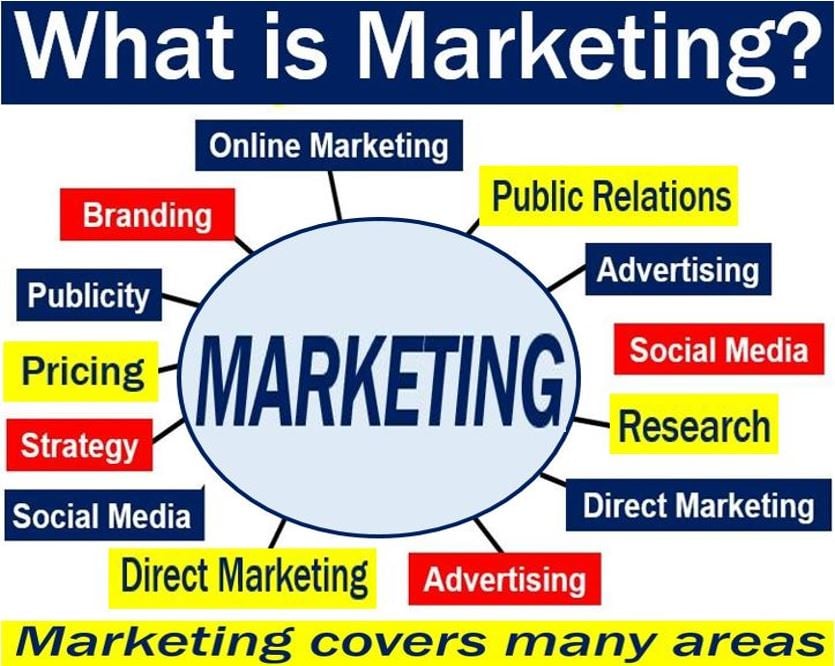
Promotional activities encompass the various tactics and channels used to raise awareness and promote the products or services of a business. These activities can include advertising, public relations, sales promotions, and digital marketing efforts.
Advertising involves paid communication through various media channels to promote a brand, product, or service. Public relations focuses on managing the reputation and image of a business through media relations, press releases, events, and community engagement.
Sales promotions refer to temporary incentives or offers aimed at stimulating immediate sales, such as discounts, limited-time promotions, or loyalty programs. Digital marketing encompasses all marketing efforts conducted through digital channels, such as social media marketing, search engine optimization, content marketing, and email marketing.
Marketing Channels and Tools
Advertising
Advertising is an essential marketing channel that allows businesses to reach a wide audience and raise awareness about their products or services. It involves paid communication through various media channels, such as television, radio, print publications, outdoor billboards, and online platforms.
By creating compelling advertisements and targeting them to the right audience, businesses can generate brand awareness and drive customer engagement. Advertising provides businesses with the opportunity to showcase their unique selling propositions, advantages, and benefits to a large and diverse audience.
Public Relations
Public relations (PR) plays a crucial role in shaping a company’s public image and managing its reputation. PR involves managing relationships with various stakeholders, including the media, customers, employees, and the wider community.
By leveraging PR tactics such as media relations, press releases, events, and community engagement, businesses can shape public perception, build trust and credibility, and establish themselves as industry leaders. PR activities aim to generate positive publicity, manage crises effectively, and maintain a favorable public image.
Social Media Marketing
Social media marketing has become a powerful marketing tool, allowing businesses to reach and engage with their target audience on popular social media platforms such as Facebook, Instagram, Twitter, LinkedIn, and YouTube.
Social media marketing involves creating and sharing content, interacting with customers, running targeted advertising campaigns, and leveraging user-generated content. By utilizing social media platforms effectively, businesses can build brand awareness, foster customer loyalty, and generate leads. Social media also enables businesses to gather real-time feedback, monitor brand sentiment, and engage in direct customer communication.
Measuring Marketing Success
Key Performance Indicators
Key Performance Indicators (KPIs) are measurable metrics that businesses use to evaluate the success of their marketing efforts. KPIs vary depending on the objectives of the marketing campaign and can include metrics such as brand awareness, customer acquisition, customer retention, website traffic, conversion rates, and return on investment.
By tracking and analyzing KPIs, businesses can assess the effectiveness of their marketing strategies, identify areas for improvement, and make data-driven decisions. KPIs provide valuable insights into the overall performance of marketing campaigns, allowing businesses to optimize their resources and allocate budgets effectively.
Marketing Analytics
Marketing analytics involves the collection, analysis, and interpretation of data to measure marketing performance, gain insights into consumer behavior, and optimize marketing strategies. It encompasses various tools and techniques, such as web analytics, customer analytics, social media analytics, and marketing automation.
By utilizing marketing analytics, businesses can track the effectiveness of marketing campaigns, understand customer preferences, identify trends, and make data-driven decisions. Marketing analytics can help businesses identify areas of improvement, optimize marketing budgets, and predict future market trends.
Return on Investment
Return on Investment (ROI) is a critical metric that measures the profitability and effectiveness of marketing efforts. It calculates the ratio of the net profit generated from a marketing campaign to the cost of the campaign.
By calculating ROI, businesses can determine the overall profitability of their marketing activities and assess whether they are generating a positive return on investment. This information enables businesses to make informed decisions regarding resource allocation, budget planning, and marketing strategy optimization.
Ethical Considerations in Marketing
Consumer Protection
Ethical marketing practices prioritize consumer protection and ensure that businesses engage in fair and honest marketing methods. Ethical considerations in marketing include providing accurate and truthful information about products or services, respecting consumer privacy and data protection, and adhering to industry regulations and standards.
Businesses should avoid deceptive or misleading advertising, false claims, and unethical tactics aimed at manipulating consumer behavior. Ethical marketing practices build trust and credibility with consumers, leading to long-term customer relationships and brand loyalty.
Sustainable Marketing
Sustainable marketing recognizes the importance of environmental and social responsibility in business practices. It involves incorporating sustainable practices throughout the entire marketing process, from product development and sourcing to packaging and promotion.
Sustainable marketing aims to minimize environmental impact, promote social welfare, and address societal issues. By adopting sustainable marketing practices, businesses can align themselves with consumer values, enhance their brand reputation, and contribute to a more sustainable future.
Responsible Advertising
Responsible advertising entails ensuring that marketing communications are ethical, transparent, and do not harm consumer well-being. It involves avoiding misleading or deceptive advertising, adhering to advertising standards and regulations, and considering the potential impact of advertising messages on vulnerable groups.
Responsible advertising also encompasses promoting diversity, inclusivity, and cultural sensitivity in marketing communications. By being responsible advertisers, businesses can build trust and credibility with consumers, foster positive brand associations, and contribute to a socially responsible marketing environment.
Challenges in Marketing
Increased Competition
The marketing landscape has become increasingly competitive, with businesses vying for the attention and loyalty of consumers in saturated markets. This increased competition poses challenges for marketers, who need to find innovative ways to differentiate their products or services and capture the interest of target audiences.
To overcome this challenge, businesses must conduct thorough market research, understand customer needs and preferences, and develop unique value propositions that set them apart from competitors. By constantly monitoring industry trends and consumer behavior, businesses can adapt their marketing strategies and tactics to stay ahead in a competitive market.
Rapid Technological Advancements
Technological advancements have transformed the marketing landscape, offering new possibilities and challenges for marketers. The emergence of digital marketing, social media platforms, and big data analytics has revolutionized the way businesses reach and engage with customers.
However, rapid technological advancements also present challenges, as businesses must continuously adapt to changing consumer behaviors, preferences, and expectations. Marketers need to stay updated on emerging technologies, understand their implications, and leverage them effectively to achieve marketing objectives.
Changing Consumer Behavior
Consumer behavior is constantly evolving, driven by factors such as technological advancements, cultural shifts, and changing socio-economic conditions. Marketers must adapt their strategies to meet the changing needs and desires of consumers.
Changing consumer behavior can present challenges in terms of predicting consumer preferences, understanding the factors influencing purchasing decisions, and delivering relevant marketing messages. Businesses need to invest in consumer research, gather data, and continuously analyze consumer behavior to stay responsive and ensure their marketing efforts remain effective.
The Future of Marketing
Artificial Intelligence
Artificial Intelligence (AI) is poised to disrupt the marketing landscape, enabling businesses to analyze vast amounts of data, automate processes, and deliver personalized customer experiences at scale. AI-powered technologies, such as chatbots, predictive analytics, and machine learning algorithms, can streamline marketing efforts and enhance customer engagement.
By harnessing the power of AI, businesses can automate repetitive marketing tasks, analyze customer data to gain actionable insights, and deliver personalized messaging and recommendations. AI has the potential to revolutionize marketing, helping businesses stay competitive and deliver exceptional customer experiences in an increasingly digital world.
Personalization
Personalization is becoming an increasingly important aspect of marketing, driven by consumers’ desire for customized experiences and relevant messaging. Personalized marketing involves tailoring products, services, and marketing communications to individual customer preferences, needs, and behaviors.
Advancements in technology and data analytics enable businesses to gather and analyze customer data, allowing for effective personalization across various marketing channels. By providing personalized experiences, businesses can enhance customer satisfaction, drive engagement, and build long-term customer loyalty.
Virtual Reality
Virtual Reality (VR) is an emerging technology with significant potential in marketing. VR immerses users in a virtual environment, creating unique and interactive experiences. This technology offers businesses the opportunity to engage with consumers in new and exciting ways.
VR can be utilized in various marketing campaigns, such as virtual product demonstrations, immersive brand experiences, and virtual tours. By leveraging VR, businesses can differentiate themselves from competitors, boost brand awareness, and create memorable experiences that leave a lasting impact on consumers.
In conclusion, marketing is a dynamic and essential aspect of any business. By understanding the key concepts, objectives, and strategies of marketing, businesses can effectively reach their target audience, build brand awareness, increase sales and revenue, and adapt to evolving consumer needs and preferences. As technology continues to advance, marketers must embrace new tools and techniques, such as AI and VR, to ensure their marketing efforts remain innovative and successful. By prioritizing ethical considerations, businesses can foster trust and loyalty among customers and contribute to a sustainable and responsible marketing environment. With strategic planning, analytics, and continual adaptation, the future of marketing holds immense potential for businesses to connect and engage with their customers in meaningful and impactful ways.