
In this article, you will discover real-life examples of pyramid schemes and gain a deeper understanding of their workings. We will explore well-known cases where people have fallen victim to these fraudulent schemes, causing significant financial losses. By examining these examples, you will learn to identify the warning signs and protect yourself from becoming involved in pyramid schemes.
What is a Pyramid Scheme?
Definition of a Pyramid Scheme
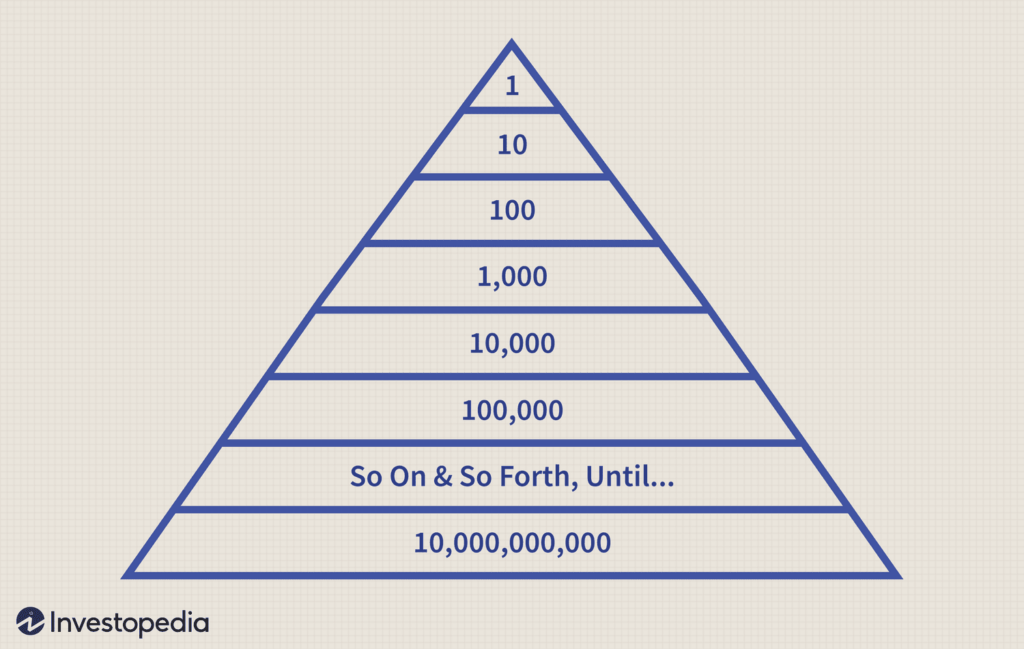
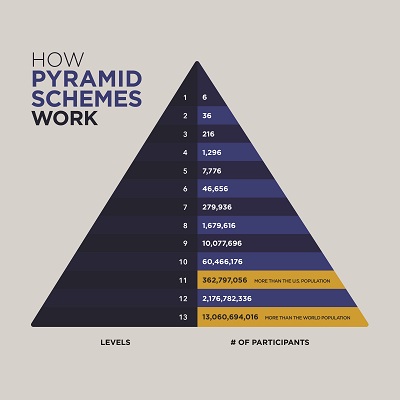
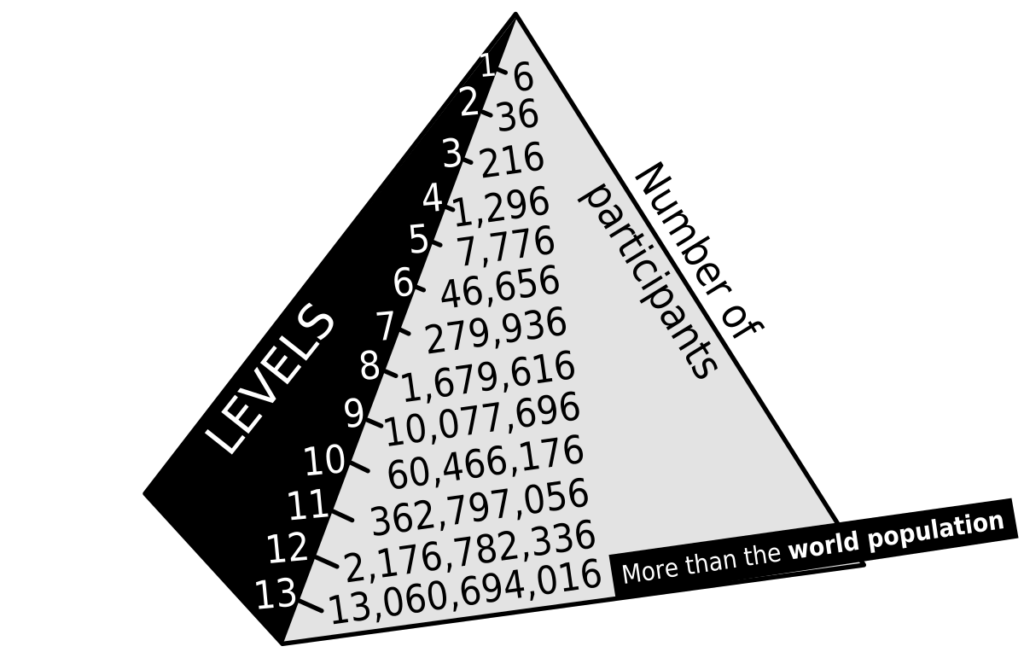
A pyramid scheme is a fraudulent business model that recruits members through the promise of high returns in exchange for recruiting more members into the scheme. However, these schemes are unsustainable and ultimately collapse, leaving the majority of participants with financial losses. The primary focus of a pyramid scheme is on recruitment, rather than selling legitimate products or services.
Characteristics of a Pyramid Scheme
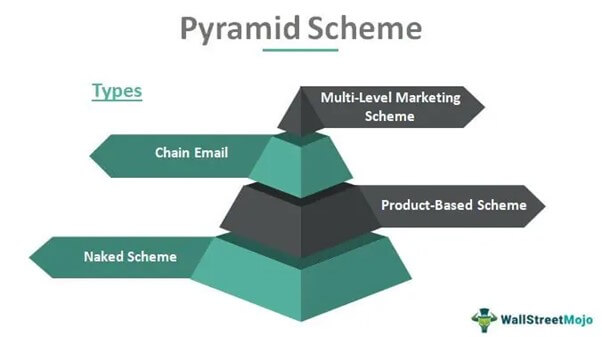
There are several key characteristics that distinguish a pyramid scheme from a legitimate multi-level marketing (MLM) opportunity:
-
Lack of Genuine Product: Pyramid schemes often have little to no emphasis on selling actual products or services to customers outside of the scheme. The primary source of revenue comes from the recruitment of new participants.
-
Promises of High Returns: Participants are often promised substantial financial gains with minimal effort or risk. These promises are typically unrealistic and used as bait to lure in new recruits.
-
Complex Compensation Plans: Pyramid schemes typically have convoluted compensation structures that make it difficult for participants to understand how they will be rewarded. This complexity serves to mask the unsustainable nature of the scheme.
-
Emphasis on Recruitment: The main focus of a pyramid scheme is to recruit new members into the scheme, rather than selling products or services. Participants are incentivized to recruit others by offering them a share of the profits generated from their recruits.
Pyramid Scheme vs. Multi-Level Marketing
Differences between Pyramid Schemes and Multi-Level Marketing
While pyramid schemes may appear similar to legitimate MLM opportunities, there are crucial differences that set them apart:
-
Product Emphasis: MLM companies typically have genuine products or services that are sold to consumers outside of the MLM network. In pyramid schemes, the emphasis is primarily on recruiting new members.
-
Sustainable Income Source: In MLM, participants can earn income through product sales, while in pyramid schemes, the main source of income is derived from recruiting new members.
-
Transparency: MLM companies are typically transparent about their compensation plans, ensuring participants understand how they will be rewarded for their efforts. Pyramid schemes, on the other hand, often have complex compensation structures designed to confuse participants.
How to Identify a Pyramid Scheme
It is important to be able to identify a pyramid scheme to protect yourself from potential financial losses. Here are some key warning signs to watch out for:
-
Focus on Recruitment: If the primary focus of the opportunity is on recruiting new members, rather than selling products or services, it is likely a pyramid scheme.
-
Lack of Genuine Customers: If the majority of the sales are made to participants within the scheme, rather than to external customers, it is an indication of a pyramid scheme.
-
Excessive Promises: Be cautious of opportunities that promise unusually high returns with little effort or risk. These promises are often too good to be true.
-
Complex Compensation Plans: If the compensation structure is overly complicated and difficult to understand, it may be an indication of a pyramid scheme.
Real-Life Examples of Pyramid Schemes
Pyramid schemes have been prevalent throughout history and have unfortunately caused significant financial losses for many individuals. Here are some well-known examples:
Bernard Madoff’s Ponzi Scheme
One of the most infamous pyramid schemes in recent history was orchestrated by Bernard Madoff. Madoff’s investment firm promised consistent high returns to investors, but in reality, he was using new investor funds to pay off existing investors. When the scheme unraveled in 2008, it resulted in massive financial losses for thousands of people.
The Herbalife Case
Herbalife, a global nutrition company, has been accused of operating as a pyramid scheme by the Federal Trade Commission (FTC). The company allegedly focused more on recruitment rather than product sales, resulting in financial harm to many participants. In 2016, Herbalife agreed to pay $200 million in a settlement with the FTC.
The Zeek Rewards Scandal
Zeek Rewards, an online penny auction site, was revealed to be a massive pyramid scheme in 2012. The company promised investors a share of the profits generated from the auctions, but in reality, the funds were primarily sourced from new investor contributions. The scheme collapsed, resulting in losses of millions of dollars.
The MMM Global Ponzi Scheme
MMM Global, a Russian-based scheme founded by Sergey Mavrodi, promised participants high returns on their investments in a community-based “mutual aid fund.” However, the scheme eventually collapsed in several countries, leaving participants empty-handed.
The Vemma Pyramid Scheme
Vemma, a health and wellness MLM company, came under scrutiny by the FTC in 2015 for operating as a pyramid scheme. The company was accused of placing excessive emphasis on recruitment and misleading participants about the income they could potentially earn. Vemma ultimately settled with the FTC for $238 million.
Red Flags to Watch Out For
To protect yourself from falling victim to a pyramid scheme, it is important to watch out for these red flags:
Promises of High Returns with Little Effort
If an opportunity seems too good to be true and promises substantial financial gains with minimal effort or risk, it is likely a pyramid scheme. Remember that legitimate businesses require hard work and dedication to achieve success.
Emphasis on Recruiting Rather than Product Sales
If the main focus of the opportunity is on recruiting new members, rather than selling genuine products or services, it is a clear indication of a pyramid scheme. Sustainable businesses rely on revenue generated from product sales to external customers.
Lack of Genuine Customers
In pyramid schemes, the majority of sales are often made within the scheme itself, rather than to customers outside of the network. If there is a lack of genuine customers purchasing products or services, it is a warning sign of a pyramid scheme.
Complex Compensation Plans
If the compensation structure is overly complicated and difficult to understand, it may be a deliberate attempt to hide the unsustainable nature of the scheme. Legitimate MLM companies have transparent compensation plans that clearly outline how participants will be rewarded for their efforts.
Legal Actions Against Pyramid Schemes
Government Agencies Cracking Down on Pyramid Schemes
Government agencies around the world are actively working to detect and dismantle pyramid schemes. The FTC in the United States, for example, has taken legal action against numerous pyramid schemes to protect consumers from financial harm.
Prosecutions and Fines
Those responsible for orchestrating pyramid schemes can face legal repercussions, including fines and imprisonment. These actions aim to deter individuals from engaging in fraudulent activities and provide some recourse for victims.
Impact on Victims
Victims of pyramid schemes often experience significant financial losses, which can have devastating consequences for their lives. Many people invest their life savings or borrow money, hoping for a better future, only to find themselves in dire financial circumstances when the scheme collapses.
The Devastating Impact of Pyramid Schemes
Financial Losses and Ruined Lives
Pyramid schemes can ruin individuals’ financial well-being, leading to bankruptcy, foreclosure, and a loss of trust in financial institutions. Victims often suffer not only monetary losses but also the emotional stress of having been deceived and manipulated.
Psychological Impact
Being involved in a pyramid scheme can have severe psychological effects on victims. They may experience feelings of shame, guilt, anger, and betrayal. The realization that they have been deceived and used by others can lead to a loss of self-esteem and trust in others.
Rebuilding After Being Involved in a Pyramid Scheme
Recovering from the devastating impact of a pyramid scheme is a challenging process. Victims must seek professional and emotional support to rebuild their lives, including assistance with financial planning, debt management, and rebuilding their self-confidence.
Protecting Yourself from Pyramid Schemes
Educate Yourself about MLM and Pyramid Schemes
Invest time in understanding the differences between legitimate MLM opportunities and pyramid schemes. Knowledge is crucial in protecting yourself from falling victim to fraudulent schemes.
Research Companies and Opportunities
Before joining any business opportunity, thoroughly research the company, its products or services, compensation plan, and reputation. Look for reviews, testimonials, and independent verification of claims made by the company.
Consult Professionals
When in doubt, consult professionals such as financial advisors or lawyers who specialize in MLM or pyramid scheme cases. They can provide valuable insights and advice to help you make informed decisions.
Trust Your Gut Instinct
If something seems too good to be true or makes you feel uncomfortable, trust your instincts. If a business opportunity raises red flags or feels suspicious, it is better to walk away than risk your financial well-being.
Consumer Education and Awareness
Government Initiatives to Educate Consumers
Government agencies worldwide are actively engaging in consumer education initiatives to raise awareness about pyramid schemes and their dangers. Through campaigns, publications, and online resources, they aim to provide the public with the information needed to identify and avoid pyramid schemes.
Non-Profit Organizations Raising Awareness
Non-profit organizations dedicated to consumer protection also play a vital role in raising awareness about pyramid schemes. These organizations provide resources, support, and advocacy for victims while educating the public about the risks associated with fraudulent schemes.
Media and Social Media Campaigns
The media and social media platforms have proven to be effective tools in spreading awareness about the dangers of pyramid schemes. News outlets frequently cover pyramid scheme cases, educating the public about their methods, impact, and ways to protect themselves.
Conclusion
Understanding the Destructive Nature of Pyramid Schemes
Pyramid schemes are fraudulent business models that have devastated countless lives throughout history. By understanding their characteristics and warning signs, individuals can protect themselves from falling victim to these schemes.
Importance of Financial Literacy and Due Diligence
Maintaining financial literacy and exercising due diligence when considering business opportunities are critical in safeguarding oneself against pyramid schemes. Educating oneself about MLM and pyramid schemes, researching companies and compensation plans, consulting professionals, and trusting one’s instincts are essential proactive measures.
Tips for Spotting and Avoiding Pyramid Schemes
By being aware of red flags such as promises of high returns with little effort, excessive focus on recruitment, lack of genuine customers, and complex compensation plans, individuals can spot and avoid pyramid schemes. Ongoing consumer education initiatives led by government agencies, non-profit organizations, and media outlets play a crucial role in spreading awareness and protecting the public from pyramid schemes.
Remember, while the allure of quick and easy riches may be tempting, it is imperative to approach business opportunities with caution and conduct thorough research to avoid falling victim to the devastating effects of pyramid schemes.