In “Understanding MLMs: A Comprehensive Guide,” you’ll gain valuable insights into the world of MLMs. MLMs, or multi-level marketing companies, are businesses that operate by recruiting individuals to sell products or services and earn commissions based on their sales as well as the sales of their recruits. This guide will provide you with a comprehensive understanding of how MLMs work, their pros and cons, and how to navigate this unique business model. Whether you’re curious about joining an MLM or simply want to learn more about this industry, this guide is a must-read for anyone seeking clarity and knowledge.
What are MLMs?
MLMs, or multi-level marketing companies, are businesses that operate through a network of independent distributors. These companies market their products or services directly to consumers, using a network of distributors who earn commissions by selling the products and recruiting new distributors. MLMs have gained popularity in recent years, with proponents hailing them as a flexible and potentially lucrative opportunity for individuals seeking entrepreneurship.
Definition of MLMs
MLMs can be defined as a business model where independent distributors earn income not only from their own sales but also from the sales made by the distributors they recruit into the business. This creates a multi-level or hierarchical structure within the organization, where distributors can rise through different ranks and earn higher commissions based on their sales performance and the sales performance of their downline.
How MLMs Work
In the MLM business model, distributors typically join the company by purchasing a starter kit or a product bundle. They then earn commissions by selling the company’s products to customers and building a downline of distributors beneath them. These distributors may be friends, family members, or individuals recruited through marketing efforts. As the distributor’s downline grows, so does their earning potential, as they earn a percentage of their downline’s sales.
Different Types of MLMs
MLMs come in various forms, offering a wide range of products and services. Some MLMs focus on health and wellness products, such as dietary supplements and beauty products. Others may offer travel packages or home decor items. The variety of MLMs allows individuals to choose a company that aligns with their interests and passions, making it easier to market and sell the products to potential customers.
Understanding the MLM Business Model
Structure of an MLM
The structure of an MLM is hierarchical, with distributors organized into different levels or tiers. At the top of the hierarchy is the company itself, followed by top-level distributors, also known as “uplines.” These uplines recruit and mentor distributors beneath them, who then recruit and mentor distributors further down the line. This hierarchical structure allows for the flow of commissions from the sales made by downline distributors to flow up to their upline, creating potential passive income for those at the top.
Compensation Plans in MLMs
MLMs typically have compensation plans that outline how distributors can earn commissions. These plans often include elements such as retail commissions, where distributors earn a percentage of the profits from their personal sales, and overrides, where distributors earn a percentage of the sales made by their downline. Some MLMs also offer bonuses and incentives for achieving certain sales targets or recruiting a specific number of new distributors.
Recruiting and Building a Downline
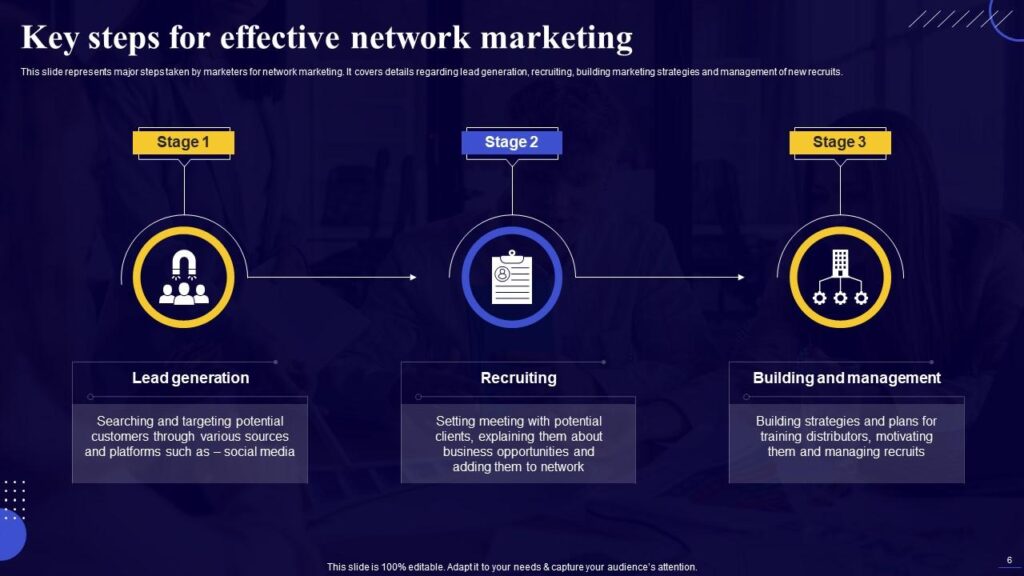
Recruiting and building a downline is a crucial aspect of MLM success. Distributors are encouraged to recruit individuals into the business and support them in building their own downline. This creates a network of distributors who can generate sales and earn commissions for themselves and their uplines. Successful MLM distributors often focus on mentoring and supporting their team members, providing them with training and resources to help them succeed in their businesses.

Key Characteristics of MLMs
Emphasis on Recruitment
One key characteristic of MLMs is the emphasis on recruitment. MLM companies often encourage distributors to recruit new individuals into the business, as this expands the network and increases the potential for sales and commissions. However, this emphasis on recruitment has also led to criticism and concerns that some MLMs may resemble pyramid schemes, where the focus is primarily on recruiting rather than selling legitimate products.
Product-Based Pyramid Schemes
While MLMs share similarities with pyramid schemes, there is a crucial distinction. MLMs focus on selling products or services, which differentiates them from illegal pyramid schemes that solely rely on the recruitment of new participants without offering any genuine products or services. The presence of tangible products in MLMs provides a basis for their legal legitimacy and separates them from pyramid schemes that solely rely on recruitment.
Tiered Commission Structures
Another distinguishing characteristic of MLMs is their tiered commission structures. In MLMs, distributors can earn commissions not only from their own sales but also from the sales made by their downline. This tiered structure creates the potential for greater earning potential, as distributors can progress through different ranks and earn higher commissions based on their sales and the sales of their team. The tiered commission structure motivates distributors to build and expand their teams, which, in turn, expands the sales network of the overall MLM company.
Success Rates and Challenges in MLMs
Low Success Rates
While MLMs offer potential for financial freedom and entrepreneurial success, it is important to note that the industry has low success rates. The harsh reality is that not all individuals who join MLM companies achieve significant financial success. A large number of distributors find it challenging to generate consistent sales and build a profitable downline, often resulting in limited earnings or even financial loss. Success in MLMs often requires dedication, hard work, and effective business strategies.
Risk of Pyramid Schemes
One of the biggest challenges and concerns in the MLM industry is the risk of pyramid schemes masquerading as legitimate MLM companies. Pyramid schemes, which are illegal in many countries, focus heavily on recruitment and offer little to no genuine products or services. The lure of quick and easy money through recruitment can entice individuals into joining such schemes, only to realize later that the emphasis is solely on recruiting new participants rather than selling legitimate products.
Difficulties in Building a Profitable Downline
Building a profitable downline can be challenging and requires significant effort from MLM distributors. Recruiting and retaining active distributors who are committed to selling products and building their own teams is essential for success in MLMs. However, many distributors struggle to find individuals who are genuinely interested in the products and committed to building a business. This can make it challenging to generate the sales volume necessary to earn substantial commissions and create a sustainable income stream.

MLM vs. Pyramid Scheme: Understanding the Difference
Defining a Pyramid Scheme
Differentiating between MLMs and pyramid schemes is important, as the latter are illegal and can lead to severe financial consequences for participants. A pyramid scheme is a deceptive and illegal business model that relies on the continuous recruitment of new participants to generate income for the individuals at the top of the pyramid. Pyramid schemes do not have a genuine product or service to sell and typically collapse when recruitment slows down.
Legal Aspects and Regulations
MLMs operate within the legal framework, while pyramid schemes do not. Governments and regulatory bodies closely monitor MLM companies to ensure compliance with various laws and regulations. This includes regulations related to product claims, compensation plans, truthful disclosures, and deceptive marketing practices. MLM companies must adhere to these laws and regulations to maintain their legality and protect participants from fraudulent schemes.
Signs to Differentiate MLMs from Pyramid Schemes
To differentiate an MLM from a pyramid scheme, it is important to look for certain signs. MLMs focus on the sale of genuine products or services, which are the primary source of income for distributors. They have a structured compensation plan that rewards distributors for both their own sales and the sales made by their downline. Pyramid schemes, on the other hand, heavily emphasize recruitment, offer little to no legitimate products, and lack a structured compensation plan based on product sales.
Benefits and Rewards in MLMs
Flexible Business Opportunities
One of the significant benefits of MLMs is the flexibility they offer as a business opportunity. MLM distributors can often work from home and set their own schedules, allowing them to balance their work and personal life more effectively. This flexibility appeals to individuals seeking entrepreneurship, as it provides an opportunity to be their own boss and have control over their work-life balance.
Potential for Passive Income
MLMs provide the potential for passive income, especially for distributors who have built a strong downline team. As the team members generate sales and recruit new distributors, the uplines can earn commissions without directly being involved in every sales transaction. This passive income potential offers a level of financial security and can provide an opportunity to build wealth over time.
Incentives and Bonuses
Many MLM companies offer incentives and bonuses to their distributors as a way to motivate and reward their achievements. These incentives can include cash bonuses, vacations, or even luxury cars for top performers. Such rewards can provide additional motivation for distributors to grow their businesses and reach their goals. Incentive programs also contribute to creating a sense of community and healthy competition among the distributors.

Criticism and Concerns Surrounding MLMs
High Attrition Rates
Critics of MLMs often raise concerns about high attrition rates, meaning that many distributors leave the business shortly after joining. Attrition can occur due to various reasons, including challenges in generating consistent sales, difficulties in building a profitable downline, or disillusionment with the overall MLM structure. The high attrition rates in MLMs have led to skepticism and criticism, with some viewing the industry as inherently flawed and unsustainable.
Controversial Marketing Tactics
MLMs have faced criticism for their marketing tactics, with some distributors resorting to aggressive and misleading strategies to recruit new members or sell products. These controversial marketing tactics can tarnish the image of MLM companies and create skepticism among potential customers and aspiring distributors. It is essential for MLM companies to promote ethical marketing practices and ensure distributors are trained in transparent and honest selling techniques.
Negative Impact on Personal Relationships
Another concern surrounding MLMs is the potential negative impact on personal relationships. MLM distributors often approach friends, family members, and acquaintances to recruit them into the business or sell products. However, this can strain relationships, as some individuals may feel pressured or annoyed by the constant marketing efforts. It is important for MLM distributors to strike a balance between their business goals and maintaining healthy personal relationships.
MLM Success Strategies
Selecting the Right MLM Company
Choosing the right MLM company is crucial for achieving success in the industry. It is essential to thoroughly research and evaluate different MLM companies before making a decision. Factors to consider include the company’s reputation, the quality of its products or services, the compensation plan, and the level of support and training provided to distributors. Selecting a company that aligns with one’s interests and values can significantly increase the chances of success.
Building a Strong Network
Building a strong network of distributors is key to success in MLMs. Distributors should focus on recruiting individuals who are genuinely interested in the products or services offered, as well as those who have the drive and determination to build their own businesses. Building a supportive and motivated team can contribute to increased sales, stronger relationships, and a more cohesive network overall.
Effective Sales and Marketing Techniques
Developing effective sales and marketing techniques is vital for MLM success. Distributors should focus on understanding their target market, identifying potential customers, and tailoring their sales approach to meet their needs. This may involve attending networking events, leveraging social media platforms, and utilizing other marketing strategies to promote their products and recruit new distributors. Ongoing training and education can help MLM distributors stay updated on the latest sales techniques and trends.

Legal Issues and MLM Regulations
Laws Governing MLMs
MLMs operate within legal frameworks governed by various laws and regulations. These laws aim to protect consumers from fraudulent schemes and ensure transparency in MLM operations. Some common laws governing MLMs include consumer protection laws, such as truth in advertising regulations, as well as laws related to compensation plans and income claims. It is essential for MLM companies and distributors to comply with these laws to maintain their legitimacy and avoid legal consequences.
Regulatory Bodies and Their Role
Regulatory bodies play a vital role in overseeing MLM companies and addressing issues related to deceptive practices or unfair compensation plans. These bodies, such as the Federal Trade Commission (FTC) in the United States, monitor the MLM industry, investigate complaints, and take action against companies engaging in illegal activities. Distributors and consumers can report any concerns or complaints to these regulatory bodies, which helps protect the rights and interests of participants.
Recent MLM-Related Legal Cases
Over the years, there have been several notable legal cases related to MLMs. These cases have involved allegations of deceptive marketing, pyramid schemes, or failure to deliver on income claims made by MLM companies. Legal cases can result in financial penalties, court injunctions, or even the shutdown of MLM companies found to be operating unlawfully. These cases highlight the importance of compliance with laws and regulations in the MLM industry.
Tips for Avoiding MLM Scams
Research and Due Diligence
To avoid falling victim to MLM scams, it is essential to conduct thorough research and due diligence before joining any MLM company. This includes researching the company’s history, its products or services, compensation plan reviews, and the experiences of current and former distributors. Additionally, individuals should be cautious of exaggerated income claims and promises of quick wealth, as these can be red flags indicating a potential scam.
Understanding Red Flags
Being aware of red flags can help individuals identify potential MLM scams. Some common red flags include companies that primarily focus on recruitment and offer little to no emphasis on product sales, excessively high initial costs or inventory requirements, and companies that pressure individuals to make immediate decisions without allowing for proper research and consideration. Recognizing these red flags can help individuals make informed decisions about joining an MLM company.
Seeking Professional Advice
Seeking professional advice from financial advisors or legal experts can also be beneficial when considering joining an MLM company. These professionals can provide objective insights and evaluate the legitimacy of the opportunity. They can also help individuals understand the legal and financial implications of participating in MLMs, ensuring that they make well-informed decisions based on their specific circumstances and goals.
In conclusion, MLMs offer individuals the potential to become entrepreneurs, generating income through the sale of products and the recruitment of new distributors. Understanding the MLM business model, key characteristics, and legal aspects is crucial for anyone considering joining an MLM company. While MLMs provide flexible business opportunities, potential for passive income, and various rewards, success requires dedication, effective strategies, and compliance with laws and regulations. By conducting thorough research, avoiding scams, and seeking professional advice, individuals can make informed decisions and navigate the MLM industry more effectively.