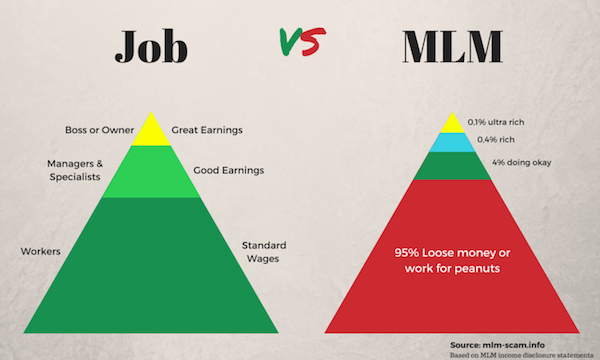
Hey there! Have you ever heard about MLM schemes before? You know, those multi-level marketing programs that promise you great wealth and success? Well, if you’re curious to learn more about them, you’ve come to the right place!
MLM schemes, also known as network marketing or pyramid schemes, have gained quite a bit of attention over the years. They often lure people in with the promise of financial freedom, passive income, and a flexible work schedule. But how exactly do they work?
In this article, we’ll delve into the details of MLM schemes and how they operate. We’ll discuss the mechanics behind these programs, the potential risks and benefits involved, as well as some key red flags to look out for. By the end of it, you’ll have a much better understanding of MLM schemes and be able to make more informed decisions when it comes to getting involved in such programs.
So, if you’re intrigued and want to know more about the ins and outs of MLM schemes, keep reading! We’ve got all the information and insights you need right here in this article.
Understanding MLM Schemes
What is MLM?
Multi-Level Marketing (MLM) is a business model that involves recruiting individuals to become distributors and selling products or services directly to consumers. It is also commonly referred to as network marketing or direct selling. In an MLM scheme, distributors earn commissions from both their own sales and the sales made by individuals they recruit, forming a downline.
Definition of MLM
MLM is a marketing strategy where distributors earn money not only through their own sales but also through a hierarchical network of distributors they recruit. This structure allows distributors to build a team and earn commissions from the sales generated by their downline.
Purpose of MLM
The primary purpose of MLM is to create a sales force that is highly motivated and incentivized to promote and sell products or services. By offering distributors the opportunity to earn income not only from their own sales but also from the sales generated by their downline, MLM companies can rapidly expand their market reach.
Structure of MLM
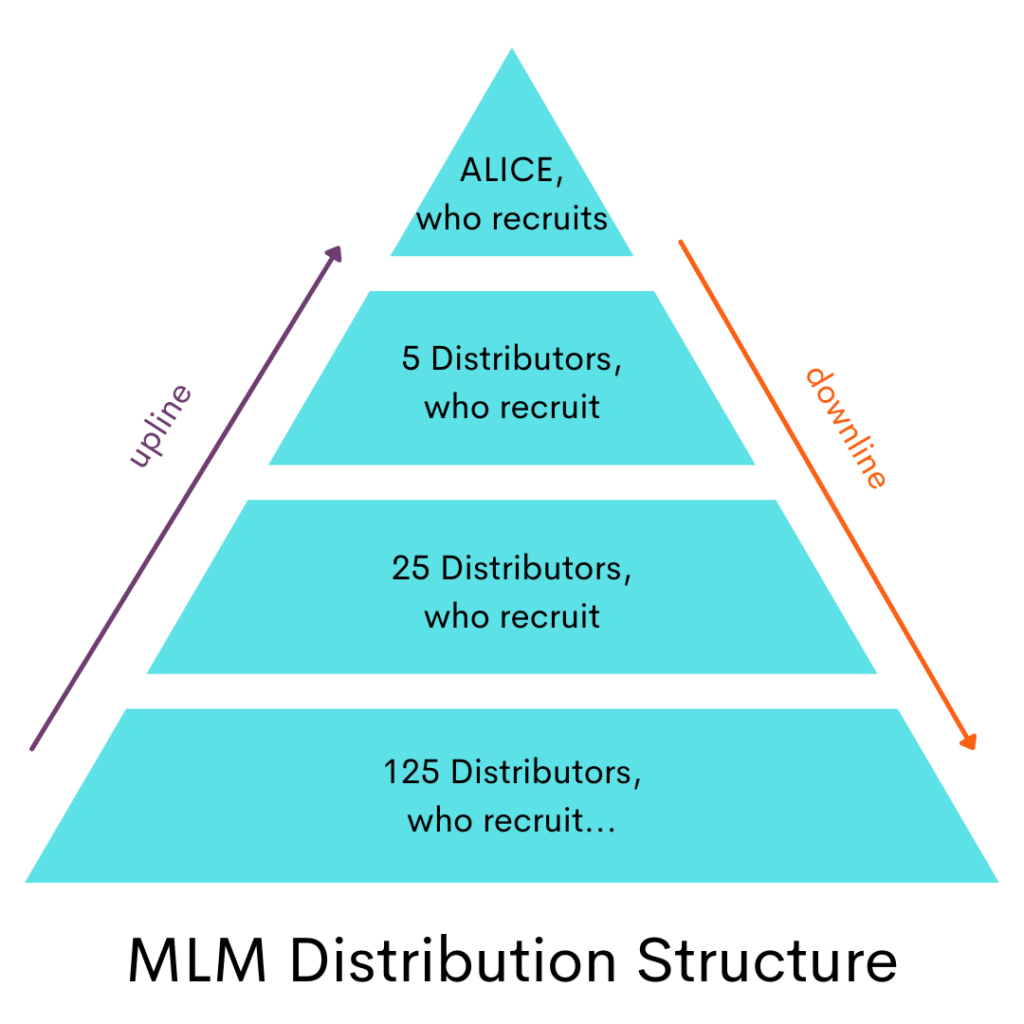
In an MLM scheme, distributors are the key participants who sell products or services and build their own network of recruited distributors. These recruited distributors form a downline, where each level represents a recruit of the distributor above them. This hierarchical structure allows distributors to earn commissions not only from their own sales but also from the sales made by their downline.
Different MLM Schemes
There are several types of MLM schemes in existence, each with its own unique structure and compensation plan. Some of the most common MLM schemes include:
Binary MLM
Binary MLM is a popular scheme that involves distributors building two legs or teams of recruits. Each leg represents a downline, and distributors earn commissions based on the sales made by the weaker leg. The goal of binary MLM is to balance the sales and recruitment efforts in both legs to maximize earnings.
Unilevel MLM
Unilevel MLM is a straightforward scheme where distributors recruit an unlimited number of distributors on their frontline. There are no width restrictions, allowing distributors to build a wide network of recruits. Commissions are typically earned based on the sales volume generated by the distributor’s entire downline.
Matrix MLM
Matrix MLM, also known as forced matrix, limits the width and depth of a distributor’s downline. For example, a 3×3 matrix scheme allows distributors to have three frontline recruits and three levels down. Commissions are earned based on the number of recruits and their sales within the matrix.
Key Participants in MLM
To understand MLM schemes, it is important to familiarize yourself with the key participants involved in the business model:
Distributor
The distributor is the individual who joins an MLM company to sell its products or services directly to consumers. They are responsible for building their own network of recruits, selling products, and earning commissions based on their sales and the sales made by their downline.
Sponsor
The sponsor is the individual who recruits a distributor into an MLM company. They act as a mentor and support system for the new distributor, providing guidance and training to help them succeed in their business.
Upline and Downline
The terms upline and downline refer to the hierarchical relationship between distributors in an MLM scheme. The upline consists of the distributors who are directly above a particular distributor, while the downline consists of the distributors recruited by that particular distributor.
MLM Compensation Plans
MLM companies typically offer various compensation plans to motivate distributors and reward their efforts. Some of the most common MLM compensation plans include:
Unilevel Plan
In the unilevel plan, commissions are earned based on the sales volume generated by the distributor’s entire downline. There are typically no restrictions on the number of frontline recruits a distributor can have, allowing for unlimited width.
Binary Plan
The binary plan is based on a two-legged structure, where distributors build two teams or legs of recruits. Commissions are earned based on the sales made by the weaker leg, providing an incentive for distributors to balance their efforts in both legs.
Matrix Plan
The matrix plan limits the width and depth of a distributor’s downline. Commissions are earned based on the number of recruits and their sales within the matrix. For example, a 3×3 matrix scheme allows for three frontline recruits and three levels down.
Common MLM Strategies
To succeed in MLM, distributors often employ various strategies to drive sales and recruit new distributors. Some common MLM strategies include:
Recruiting
Recruiting is a crucial aspect of MLM, as distributors earn commissions from the sales made by their downline. Successful distributors focus on recruiting individuals who are motivated and interested in building their own business.
Sales Techniques
MLM distributors often use different sales techniques to promote and sell their products or services. These techniques can include personal testimonials, product demonstrations, and leveraging social networks to reach potential customers.
Duplication
Duplication is a strategy where distributors teach their downline to replicate their successful actions. This strategy ensures consistency in sales and recruitment efforts throughout the network.
Legal Aspects of MLM
MLM companies operate within a legal framework, and it is important to understand the legal aspects of MLM to ensure compliance and protect consumers. Some key legal aspects of MLM include:
Regulation and Oversight
MLM companies are subject to regulations and oversight by various governmental agencies. These regulations aim to protect consumers from fraudulent schemes and ensure fair business practices.
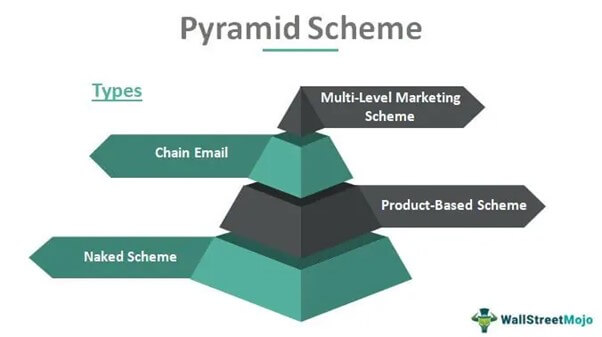
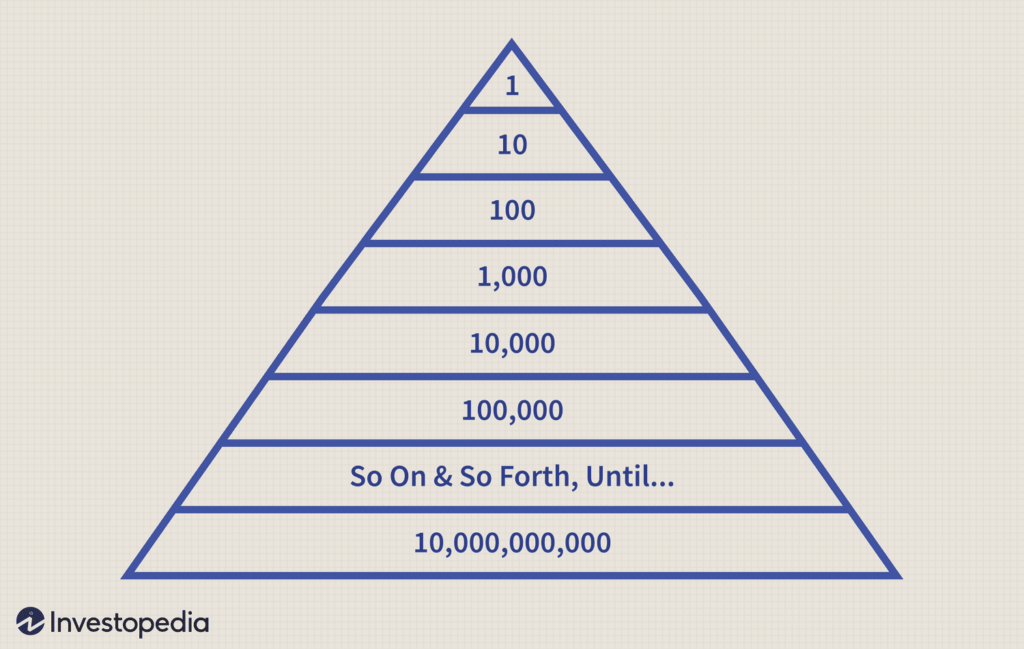
Pyramid Scheme vs MLM
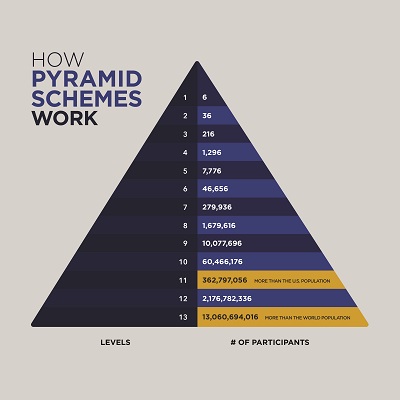
MLM companies often face scrutiny and confusion due to their similarities with pyramid schemes. However, MLM is legal and differentiates itself from illegal pyramid schemes by offering tangible products or services that distributors sell to generate income, rather than solely relying on recruitment.
Consumer Protection
Consumer protection is a key aspect of MLM. MLM companies must ensure their products or services are of high quality and provide value to consumers. Distributors must also follow ethical and legal practices when promoting and selling products.
Benefits of MLM
There are several benefits to participating in an MLM scheme. Some key benefits include:
Flexible Income Potential
MLM offers individuals the opportunity to earn income based on their own efforts and the efforts of their downline. This flexible income potential allows distributors to work at their own pace and determine their earnings based on their sales and recruitment efforts.
Work from Home
MLM provides the flexibility to work from home or any location with an internet connection. This allows individuals to create their own schedule and achieve work-life balance.
Personal Development
MLM often offers personal development opportunities through training programs and mentorship. Distributors have the chance to improve their communication, leadership, and sales skills, which can benefit them both personally and professionally.
Challenges and Risks in MLM
While MLM offers numerous benefits, there are also challenges and risks associated with the business model:
Market Saturation
MLM companies often face market saturation, where the market becomes overly saturated with distributors selling similar products or services. This can create intense competition and make it difficult for distributors to differentiate themselves and attract customers.
Lack of Control
As an MLM distributor, you are not in control of the company’s products, pricing, or marketing materials. Any changes made by the MLM company can directly impact your business, and distributors must adapt to these changes.
Negative Reputation
MLM has garnered a negative reputation due to the presence of illegal pyramid schemes and unethical practices in the industry. It is important for MLM companies and distributors to uphold ethical standards and distance themselves from negative perceptions.
Success Tips in MLM
To succeed in an MLM scheme, consider the following tips:
Choose the Right Company
Research and due diligence are crucial when selecting an MLM company to join. Look for a company with a solid reputation, high-quality products or services, and a fair compensation plan.
Build Relationships
Relationship-building is essential in MLM. Cultivate relationships with customers, distributors, and your upline to create a supportive and collaborative network.
Continuous Learning
MLM is an ever-evolving industry, and continuous learning is key to staying ahead. Stay updated on industry trends, sales techniques, and personal development opportunities to enhance your skills and knowledge.
Conclusion
Understanding MLM schemes is important for anyone considering joining or venturing into the MLM industry. MLM offers a unique business model where individuals can earn income through their own sales efforts as well as the sales made by their recruited downline. By following legal guidelines, employing effective strategies, and continuously learning, individuals can navigate the challenges and maximize the benefits of MLM. Remember to choose the right company, build relationships, and stay dedicated to your personal growth to thrive in the MLM industry.