In this article, we will explore the world of MLM companies and gain a clear understanding of their operations. MLM, short for Multi-Level Marketing, is a unique business model that has gained popularity in recent years. It involves individuals becoming independent distributors and earning income through selling products or recruiting others to join their network. By delving into the intricacies of MLM companies, you will uncover how they operate and the potential benefits and challenges they present.
What is an MLM Company?
Definition of MLM
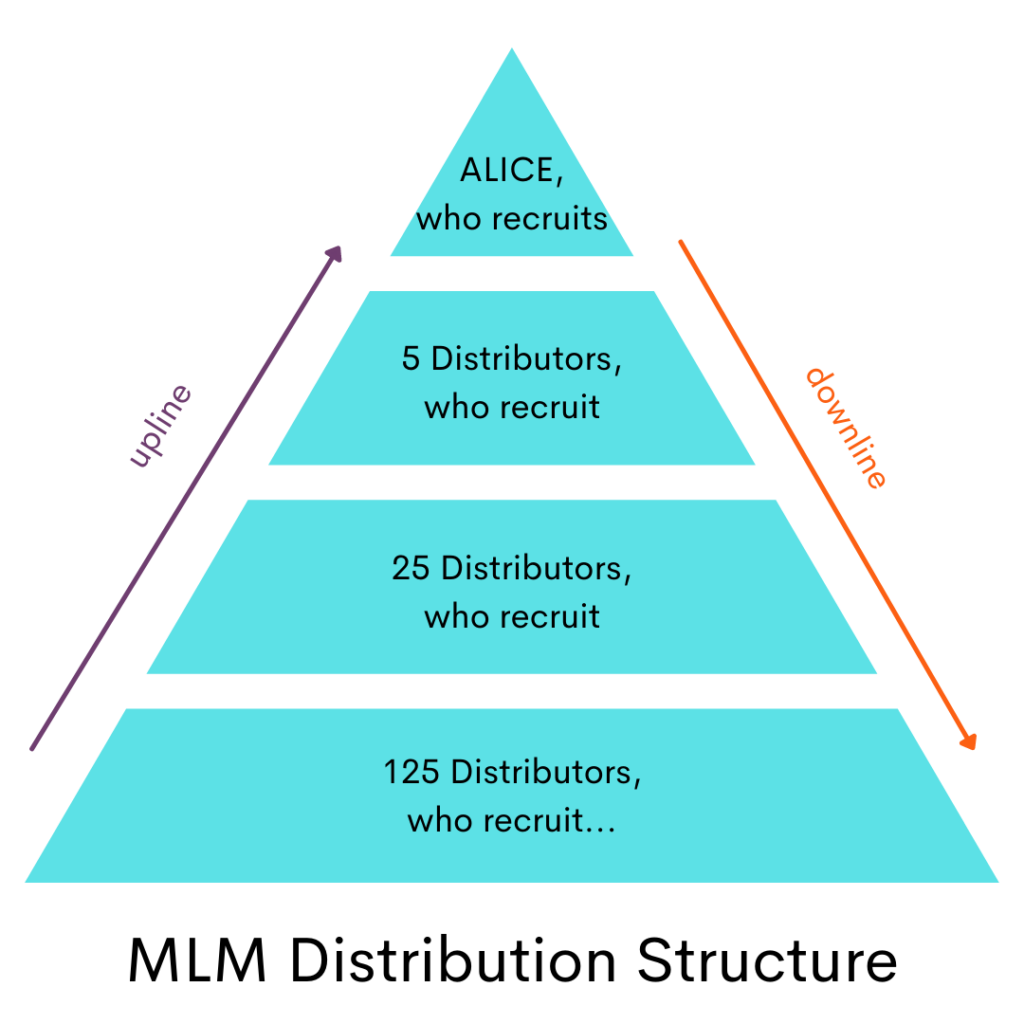
An MLM (Multi-Level Marketing) company, also known as network marketing or direct selling, is a business model that relies on a network of distributors or consultants to sell products or services. MLM companies operate on a hierarchical structure where distributors earn commissions not only from their own sales but also from the sales made by the distributors they recruit into the network. This creates multiple levels or tiers of distributors within the company.
Structure of MLM
The structure of an MLM company is built upon a pyramid-like hierarchy. At the top, you have the company itself, followed by a small group of high-level distributors who are often referred to as “uplines.” These uplines recruit and manage a larger group of distributors who form their “downline.” The downline distributors further recruit and build their own downline, creating multiple tiers or levels within the organization. This hierarchical structure allows for the promotion and advancement of distributors based on their sales performance and the growth of their downline.
Types of MLM Companies
There are various types of MLM companies, each with its own unique product offerings and compensation plans. Some MLM companies focus on health and wellness products, while others may specialize in skincare, cosmetics, household goods, or even financial services. Additionally, MLM companies can operate in various industries such as personal care, nutrition, technology, or home decor.
Advantages of MLM Companies
MLM companies offer several advantages for individuals looking to start their own business or earn additional income:
-
Flexibility: MLM allows you to work at your own pace and set your own schedule. You can choose to work part-time or full-time, depending on your goals and commitments.
-
Low Startup Costs: Compared to traditional brick-and-mortar businesses, MLM companies typically have low startup costs. Some companies require only a small initial investment for purchasing a starter kit or inventory.
-
Training and Support: MLM companies often provide training and support for their distributors. They offer resources, mentorship programs, and guidance to help distributors succeed in their business.
-
Potential for Passive Income: As your downline grows and your team members make sales, you can earn passive income through the commissions and bonuses generated by their efforts. This can provide ongoing income even when you’re not actively selling or recruiting.
-
Personal Development: MLM encourages personal growth and development. Distributors often receive training on sales techniques, communication skills, leadership, and goal setting, which can benefit them in other aspects of their lives as well.
Controversies Surrounding MLM Companies
Despite the advantages, MLM companies have faced controversies and criticisms over the years. Some common controversies surrounding MLM companies include:
-
Pyramid Scheme Allegations: MLM companies have often been associated with pyramid schemes due to their hierarchical structure. However, legitimate MLM companies differentiate themselves by emphasizing the sale of products or services rather than solely relying on recruitment to generate income.
-
High Failure Rates: The success rate for MLM distributors can be relatively low. Many distributors struggle to make substantial profits and end up leaving the business. This has led to skepticism and criticism of the MLM industry as a whole.
-
Misleading Income Claims: Some distributors or companies may make exaggerated income claims to lure potential recruits. It is important to exercise caution and do thorough research before joining any MLM opportunity.
-
Product Overpricing: Critics argue that MLM companies often inflate the prices of their products to enable distributors to earn higher commissions. This can make the products less competitive in the market.
-
Negative Reputation: MLM has gained a negative reputation due to the actions of a few unscrupulous companies or individuals who engage in unethical practices. This perception can affect the industry as a whole and create challenges for legitimate MLM companies.
Understanding the structure and controversies surrounding MLM companies is essential before considering involvement in the industry. The next section will delve into how MLM companies work in terms of recruitment, compensation plans, product distribution, training, and support.
How MLM Companies Work
Recruitment and Building Network
One of the key aspects of MLM companies is recruitment. Distributors are encouraged to recruit new members into their downline, expanding their network and increasing their earning potential. Recruiting involves approaching potential candidates, explaining the business opportunity, and assisting them in becoming distributors. Successful MLM distributors focus on building strong relationships and networks to attract and retain talented individuals.
Compensation Plans
MLM companies have distinct compensation plans that determine how distributors are paid for their efforts. There are various types of compensation plans, each with its own mechanics and structures. Common types of compensation plans include binary, unilevel, matrix, and hybrid plans. These plans outline how distributors earn commissions, bonuses, and other incentives based on their personal sales, team sales, and the overall performance of their downline.
Product Distribution
MLM companies typically distribute their products directly to consumers through their network of distributors. Distributors purchase products at a wholesale price and sell them at a retail price, earning a profit margin on each sale. In some cases, MLM companies may also offer online ordering systems or have physical stores where customers can purchase products directly. The direct selling model allows distributors to have a more personalized interaction with customers and provide product recommendations and information.
Training and Support
To help distributors succeed, MLM companies often provide training and support programs. These programs may include product training, sales and marketing techniques, leadership development, and personal growth training. MLM companies may offer online training materials, webinars, conferences, and mentorship programs to empower their distributors with the knowledge and skills needed to build and grow their business.
Incentives and Rewards
Apart from commissions and bonuses, MLM companies generally offer additional incentives and rewards to motivate and recognize their distributors’ achievements. These incentives may include cash bonuses, free products, trips, and even the opportunity to earn a car or house. These rewards serve as a form of recognition and can inspire distributors to work harder and strive for success within the company.
Understanding the intricacies of MLM compensation plans is crucial to determine the earning potential and evaluate the viability of joining a specific MLM company. The next section will delve deeper into different types of compensation plans, commissions, rank advancements, and the significance of income disclosure statements.
Understanding MLM Compensation Plans
Different Types of Compensation Plans
MLM compensation plans vary depending on the MLM company and its structure. Some common types of compensation plans include:
-
Binary Plan: This plan focuses on building two legs or teams within the downline. Distributors are typically paid commissions based on the sales volume of their weaker leg. It encourages teamwork and cooperation among distributors.
-
Unilevel Plan: In the unilevel plan, distributors can build a wide network without restrictions on depth. Commissions are earned based on the sales volume of one’s entire downline, providing potentially unlimited earning potential.
-
Matrix Plan: The matrix plan restricts the width and depth of a distributor’s downline. For example, a 3×3 matrix means each distributor can have up to three direct recruits, and the matrix goes three levels deep. Commissions are earned based on the matrix structure and sales volume.
-
Stairstep Breakaway Plan: This plan allows distributors to advance through different ranks and earn higher commissions as they achieve specific sales targets. When reaching a certain rank, distributors “breakaway” from their upline and become a leader of their own team.
Popular Compensation Plans
Every MLM company has its own unique compensation plan, designed to incentivize sales, team-building, and leadership development. Some popular compensation plans used by MLM companies include:
-
Binary Hybrid Plan: This plan combines elements of the binary and unilevel plans, allowing distributors to earn commissions based on both their weaker leg and their entire downline organization.
-
Australian Two-Up Plan: In this plan, distributors pass up their first one or two sales to their upline as a form of “qualification.” Once qualified, they start earning commissions from their third sale onwards. This plan encourages teamwork and duplication.
-
Matrix Cycling Plan: The matrix cycling plan incentivizes distributors to fill out a matrix by purchasing additional product packages or recruiting new members. Once a matrix is filled, the distributor earns a commission and a new matrix is created.
Commissions and Bonuses
Commissions and bonuses are the primary sources of income for MLM distributors. Commissions are typically earned through direct sales of products or services, with distributors receiving a percentage of the sales volume. Bonuses, on the other hand, are often awarded for achieving specific sales targets, rank advancements, or for exceptional performance within the company. These commissions and bonuses can vary based on the compensation plan, product pricing, and company policies.
Rank Advancements
Rank advancements are an essential aspect of MLM companies’ compensation plans. As distributors meet specific qualifications and achieve set targets, they can progress to higher ranks within the company. Each rank advancement often comes with increased earning potential, additional bonuses, and recognition. Advancing in rank requires building a larger and more successful downline, hitting sales targets, and demonstrating leadership qualities.
Income Disclosure Statements
To provide transparency and assist potential distributors in making informed decisions, MLM companies often publish Income Disclosure Statements. These statements provide data on the average earnings of distributors at different ranks within the company. Income Disclosure Statements help individuals understand the income potential but also highlight the challenges and variances in earnings. It is crucial to review these statements before joining an MLM company to have realistic expectations of income.
Understanding MLM compensation plans, commissions, rank advancements, and income disclosures enables aspiring MLM consultants to evaluate the financial aspects and choose the right opportunity. However, MLM consultants face various challenges that can impact their success. The following section explores some of the common challenges faced by MLM consultants and how to overcome them.
Challenges Faced by MLM Consultants
High Initial Investment
Starting a business with an MLM company often requires an initial investment. This investment usually includes a starter kit, product inventory, marketing materials, and sometimes additional fees like annual renewal fees or subscription fees. The initial investment can vary depending on the company and the products offered. It is important to carefully consider and plan for these expenses before committing to an MLM opportunity.
Recruiting Difficulties
Recruiting and building a successful downline is a crucial aspect of MLM business success. However, recruiting can be challenging, especially for individuals with little to no experience in sales or network marketing. Convincing others to join the business and duplicate their efforts requires effective communication skills, relationship building, and perseverance.
Product Market Saturation
Some MLM companies operate in highly competitive markets where their products may face saturation. This means that many distributors in the same geographical area are selling similar products, making it more challenging to find new customers or grow the business. Overcoming market saturation requires creativity, finding niche markets, and providing unique value propositions to potential customers.
Lack of Control over Company Policies
MLM consultants have limited control over the policies and decisions made by the MLM company itself. This can include pricing decisions, product changes, compensation plan modifications, or even changes in company direction. These policy changes can have a significant impact on a consultant’s business and may require adaptation and flexibility.
Lack of Consumer Trust
The MLM industry has faced criticisms and negative perceptions, which can make it challenging for consultants to gain the trust of potential customers. The presence of pyramid schemes and unscrupulous operators in the industry has created skepticism and mistrust. Establishing credibility, providing quality products, and offering exceptional customer service can help overcome this challenge.
Overcoming the challenges faced by MLM consultants requires dedication, perseverance, and the adoption of effective strategies. The next section explores strategies that can contribute to MLM success.
Effective Strategies for MLM Success
Choose the Right Company
Selecting the right MLM company is crucial for long-term success. Consider factors such as the company’s reputation, products, compensation plan, training and support programs, and the stability of the company. Take the time to research and evaluate various MLM opportunities to ensure alignment with your personal goals, values, and interests.
Build Relationships and Network
Success in MLM relies heavily on building relationships and expanding your network. Invest time in building genuine connections with potential customers, team members, and mentors. Attend company events, networking functions, and engage in social media groups related to your products or industry.
Focus on Personal Development
Personal development plays a significant role in MLM success. Invest in improving your sales skills, communication abilities, leadership qualities, and mindset. Develop a positive attitude, set clear goals, and continuously expand your knowledge in the MLM industry and beyond.
Leverage Online Marketing
Utilize the power of online marketing to reach a wider audience. Create a professional and engaging online presence through social media platforms, websites, blogs, and email marketing. Utilize various digital marketing strategies to attract leads, build your brand, and connect with potential customers.
Provide Excellent Customer Service
Customer satisfaction and loyalty are crucial for MLM success. Offer exceptional customer service by promptly responding to inquiries, providing product information, and addressing any concerns or issues. Focus on building lasting relationships with your customers and go above and beyond to exceed their expectations.
Adopting these effective strategies can increase your chances of success in the MLM industry. However, it is crucial to be aware of MLM scams and take measures to protect yourself. The next section provides guidance on avoiding MLM scams.
Avoiding MLM Scams
Research the Company
Thoroughly research the MLM company before joining. Look for information on the company’s history, reputation, track record, and financial stability. Check online reviews, testimonials, and independent third-party sources to gather unbiased information about the company.
Beware of Pyramid Schemes
Differentiating between MLM companies and illegal pyramid schemes is essential. Pyramid schemes solely focus on recruiting new members without offering legitimate products or services. Legitimate MLM companies emphasize the sale of products or services alongside the recruitment aspect.
Evaluate the Product
Carefully evaluate the product or service offered by the MLM company. Is it unique? Are similar products available in the market at competitive prices? Consider the quality, demand, and value proposition of the product. Avoid MLM opportunities that rely solely on the recruitment of distributors without a compelling product or service.
Check Legal Compliance
Ensure that the MLM company operates legally and adheres to local laws and regulations. Research whether the company has faced any legal issues or regulatory actions in the past. Verify if the company is a member of reputable industry associations that promote ethical and responsible business practices.
Trust Your Gut
If something feels off or too good to be true, trust your instincts. MLM opportunities that make unrealistic income claims or put excessive pressure on recruitment may signal a potential scam. Always prioritize your own well-being and financial security.
By conducting thorough research, evaluating the product and company, and trusting your instincts, you can avoid falling victim to MLM scams and make informed decisions about joining an MLM opportunity. MLM companies operate within legal and regulatory frameworks that aim to protect consumers and ensure ethical business practices. The following section explores the legal and regulatory considerations in the MLM industry.
Legal and Regulatory Considerations
Difference between MLM and Pyramid Schemes
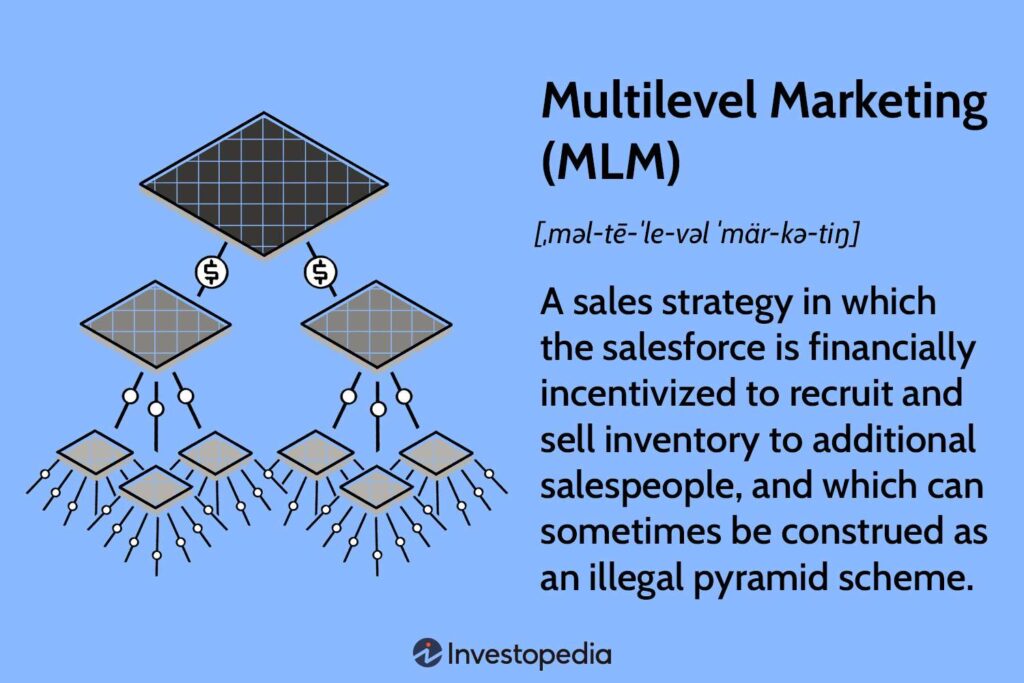
While MLM companies and pyramid schemes may share some similarities in their hierarchical structure, the key distinction lies in their focus. MLM companies place emphasis on product sales, whereas pyramid schemes primarily focus on recruiting new members. Pyramid schemes are illegal in many countries, as they are unsustainable and ultimately result in financial loss for the majority of participants.
Federal Trade Commission (FTC) Guidelines
The Federal Trade Commission (FTC) in the United States provides guidelines for MLM companies to operate legally and ethically. These guidelines stress the importance of product sales, disclosure of relevant information to potential recruits, and avoiding deceptive marketing practices. MLM companies are required to provide clear and accurate information about the business opportunity and income potential.
Lawsuits and Regulatory Actions
MLM companies have faced lawsuits and regulatory actions in the past due to allegations of deceptive practices, misleading income claims, or pyramid scheme allegations. Regulatory actions can result in fines, penalties, or even the closure of the MLM company. It is crucial for MLM companies to maintain compliance with local laws and regulations to protect both the company’s reputation and the interests of its consultants.
MLM Company Registration and Compliance
Many countries require MLM companies to register with regulatory bodies and comply with specific laws and regulations. Registration ensures transparency, accountability, and consumer protection. MLM companies must provide accurate and up-to-date information about their business operations, compensation plans, and income disclosures to the regulatory authorities.
Consumer Protection
Consumer protection is a key consideration in the MLM industry. MLM companies should prioritize the promotion of fair business practices, ensuring that distributors and consumers are not misled or deceived. Protecting consumer rights and providing accurate product information, refunds, and customer service are paramount for maintaining trust and credibility within the MLM industry.
Understanding the legal and regulatory landscape of the MLM industry can help distributors make informed decisions and identify MLM companies that operate ethically and responsibly. Hearing success stories and testimonials from individuals who have experienced MLM success can be inspiring and motivating for aspiring MLM consultants.
Success Stories and Testimonials
Real-life Success Stories
MLM has transformed the lives of many individuals, providing them with financial freedom and personal growth. Real-life success stories reveal the potential of MLM when combined with dedication and hard work. These stories showcase examples of distributors who have built large networks, achieved high ranks, and experienced significant income growth within the MLM industry.
Benefits and Achievements
MLM success stories often highlight the benefits and achievements that consultants can attain. These can include financial independence, the ability to work from home, flexible schedules, international travel, and recognition for their achievements. MLM offers a unique opportunity for individuals to take control of their lives and build a business that aligns with their goals and values.
Inspiring Testimonials
Testimonials from MLM consultants can provide a glimpse into their personal experiences, challenges, and triumphs. Hearing about their journey, mindset shifts, and the impact MLM has had on their lives can be motivating for those considering entering the industry. Testimonials may include stories of personal growth, newfound confidence, and the development of leadership skills.
Financial Freedom
One of the most compelling aspects of MLM success stories is the attainment of financial freedom. For some, MLM has provided a path to generate significant income and create a substantial nest egg for retirement or other financial goals. Achieving financial freedom through MLM requires hard work, perseverance, and a strong belief in the products and the business opportunity.
Hearing first-hand accounts of success can serve as a source of motivation and encouragement for individuals interested in joining an MLM company. Additionally, conducting thorough evaluations and reviews of MLM companies can provide valuable insights for individuals considering specific opportunities.
MLM Company Reviews
Evaluation Criteria
When reviewing MLM companies, several evaluation criteria can help individuals make informed decisions:
-
Product Range and Quality: Evaluate the variety and quality of the products offered by the MLM company. Consider market demand, uniqueness, and whether the products align with your personal interests and beliefs.
-
Compensation Plan Analysis: Analyze the compensation plan to understand how commissions, bonuses, and rank advancements work. Consider whether the compensation plan is fair and provides sufficient earning potential.
-
Company Reputation: Research the company’s reputation within the MLM industry and its track record of success. Look for positive reviews and testimonials from distributors who have achieved success with the company.
-
Training and Support: Evaluate the training and support programs provided by the MLM company. Look for resources, mentorship opportunities, and ongoing education that can assist distributors in building their business.
-
Financial Stability: Assess the financial stability of the MLM company by reviewing its financial reports, revenue growth, and stability over the years. A stable company is more likely to provide a sustainable and long-term business opportunity.
Top MLM Companies
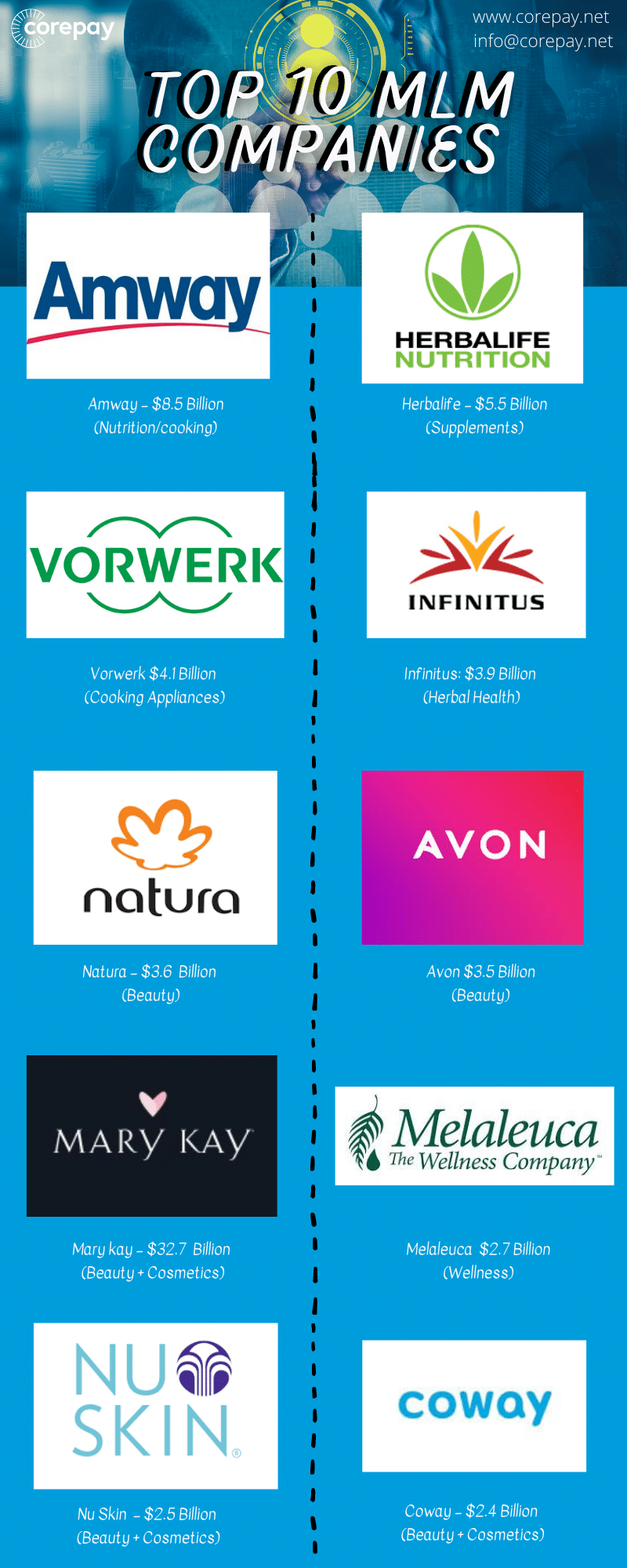
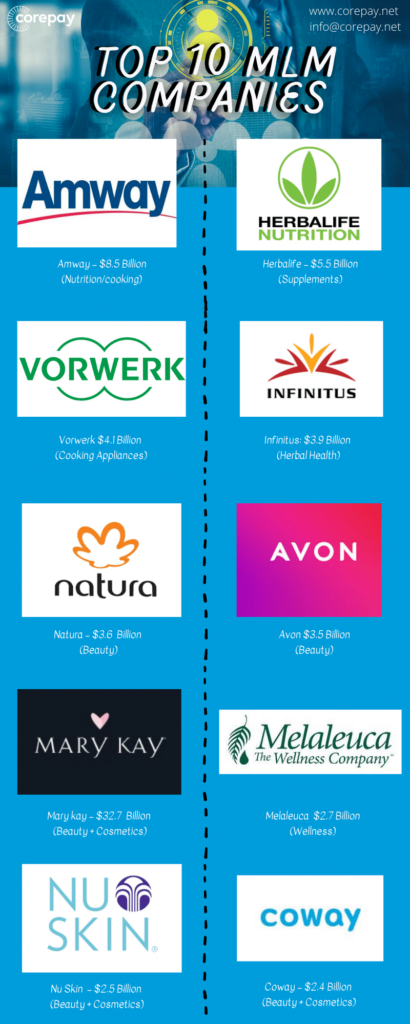
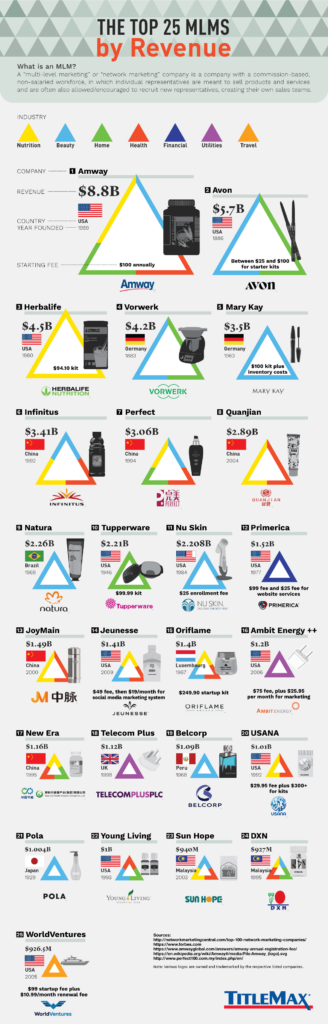
There are numerous MLM companies operating in various industries. Some well-known MLM companies include Amway, Herbalife, Avon, Mary Kay, and Nu Skin, among others. These companies have established a strong presence in the industry, have a wide range of products, and offer comprehensive training and support for their distributors.
Strengths and Weaknesses
MLM company reviews highlight the strengths and weaknesses of each company. Strengths may include product quality, brand recognition, strong compensation plans, and comprehensive training programs. Weaknesses may involve market saturation, high competition, or challenging recruitment requirements. Analyzing the strengths and weaknesses can help individuals assess whether a particular MLM company aligns with their goals and abilities.
Product Range and Quality
Evaluating the product range and quality is crucial when reviewing MLM companies. Consider the uniqueness and demand for the products, their pricing compared to similar products in the market, and the overall value proposition for potential customers. Excellent products can drive customer loyalty and make selling easier for MLM consultants.
Compensation Plan Analysis
Understanding the compensation plan is essential when reviewing MLM companies. Analyze the commissions, bonuses, and rank advancement requirements to determine the earning potential and assess whether the compensation plan is fair and rewarding. Look for transparent and easily understandable plans that provide equal opportunities for distributors at all levels.
Conducting thorough reviews and evaluations can help individuals choose the MLM opportunity that best aligns with their goals, interests, and abilities. While MLM companies offer opportunities for financial success, it is essential to consider both the opportunities and risks associated with joining an MLM company.
Final Thoughts on MLM Companies
Balancing Opportunities and Risks
MLM companies offer unique opportunities for individuals to start their own business, earn supplemental income, and achieve personal and financial goals. However, it is important to balance these opportunities with the inherent risks and challenges associated with the MLM industry. Weigh the potential benefits against the potential challenges to make an informed decision.
Find Your Fit
Every MLM company is unique, with different products, compensation plans, and company cultures. It is essential to find an MLM company that aligns with your values, interests, and goals. Consider the products, training programs, and support offered by each company to determine the best fit for you.
Do Your Due Diligence
Before joining an MLM company, conduct thorough research and due diligence. Review online resources, attend company events, seek testimonials, and evaluate the company’s financial stability and reputation. Understanding the company’s history, compliance with regulations, and success stories can help you make an informed decision.
Importance of Persistence
Success in MLM requires persistence and dedication. It may take time to build a profitable business and grow a successful downline. Stay committed to your goals, maintain a positive mindset, and learn from both your successes and challenges.
Long-Term Business Potential
Consider the long-term potential of the MLM business you are considering. Evaluate the stability and growth of the company, the potential for sustainable income, and the ability to expand your network. MLM can provide a path to long-term financial independence if approached with patience and a long-term perspective.
In conclusion, MLM companies offer opportunities for financial success, personal growth, and entrepreneurial freedom. Understanding the structure, compensation plans, challenges, and legal considerations can help individuals make informed decisions about joining an MLM company. By adopting effective strategies, avoiding scams, and conducting thorough evaluations, individuals can find the right MLM opportunity that aligns with their goals and values. With persistence, dedication, and a positive mindset, MLM success stories can become a reality, leading to financial freedom and a fulfilling career.