Imagine a world where every connection you made had the potential to boost your career and open doors to new opportunities. This is the power of networking in marketing. By building relationships and fostering connections with others in your industry, you can tap into a vast network of knowledge, resources, and potential clients. But networking is more than just exchanging business cards at events; it is about nurturing genuine relationships and creating a community of support. In this article, we will explore the incredible potential of networking in marketing and how it can catapult your professional growth to new heights.
The Power of Networking in Marketing
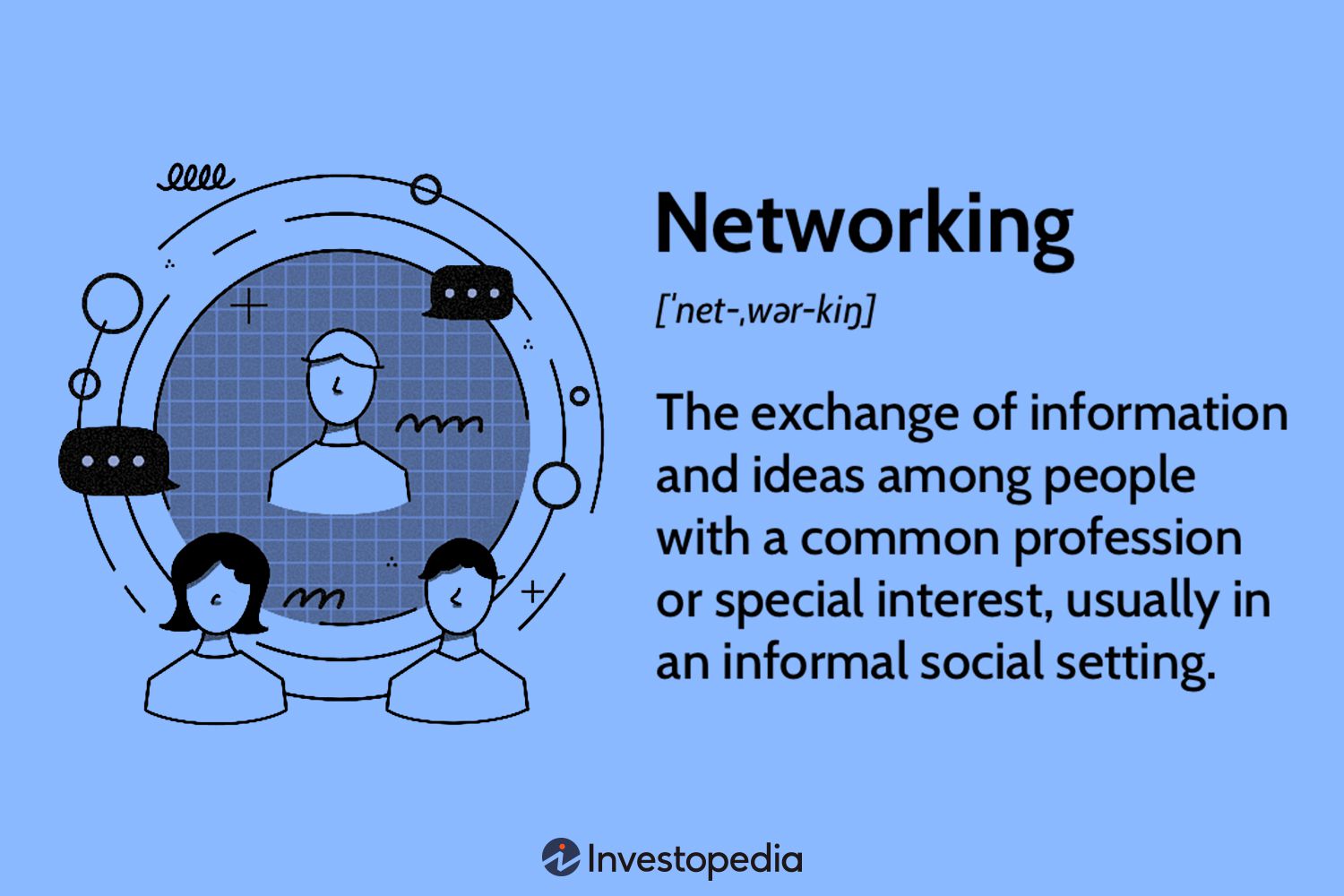
Networking is an essential aspect of marketing that can greatly contribute to the success of your business. It involves building and nurturing relationships with individuals who can potentially become clients, partners, or connectors to new opportunities. Networking allows you to expand your professional circle, gain valuable insights, and establish yourself as an authority within your industry. In this article, we will explore the definition and importance of networking marketing, as well as the benefits, strategies, and methods for building and leveraging your network.
The Definition of Networking Marketing
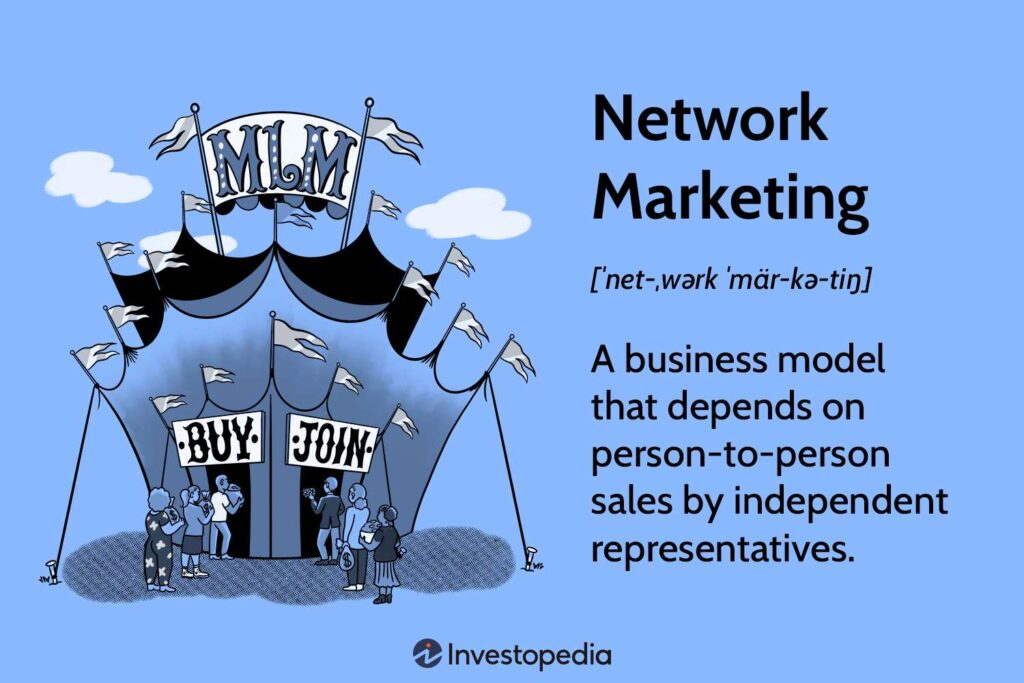
Networking marketing, often referred to as network marketing or multi-level marketing (MLM), is a business model where individuals promote a company’s products or services and earn commission on their sales. Unlike traditional marketing, which relies on advertising and direct selling, networking marketing relies on personal relationships and referrals to generate sales. This approach leverages the power of word-of-mouth marketing, as network marketers rely on their network to spread the word about their offerings and recruit others to join the business.
The Importance of Networking in Marketing
Networking plays a crucial role in marketing, regardless of the industry or the size of your business. By building relationships with potential clients, industry peers, and influencers, you increase your chances of success in several ways. First, networking allows you to establish trust and credibility. When you have a strong network, people are more likely to trust your recommendations and take your advice seriously. Second, networking provides access to new opportunities, such as partnerships, collaborations, and referrals, which can significantly expand your reach and customer base. Finally, networking offers a platform for continuous learning and growth, as you can exchange insights and ideas with professionals in your field.
Benefits of Networking for Marketers
Networking offers numerous benefits to marketers who actively engage in building and maintaining their networks. One of the key benefits is the opportunity to generate leads and referrals. When you develop strong relationships within your network, people are more likely to recommend your products or services to others, resulting in a constant stream of potential customers. Additionally, networking allows you to stay up-to-date with industry trends and changes, ensuring that you remain competitive and relevant. By connecting with fellow marketers, you can exchange strategies, tactics, and best practices, which can greatly enhance your marketing efforts.
Another benefit of networking in marketing is the potential for collaboration and partnerships. By forging connections with other professionals in your industry, you can identify opportunities for mutually beneficial collaborations. For example, you might identify a company that complements your offerings and collaborate on a joint marketing campaign or event. These partnerships not only help you reach a wider audience but can also result in cost-sharing and increased resources. Networking also provides opportunities for personal and professional development, as you can learn from experienced marketers and gain insights into new approaches and techniques.
Types of Networking in Marketing
Networking in marketing can take various forms, depending on your preferences and goals. Here are some of the common types of networking you can engage in:
-
Informal Networking: This form of networking involves building relationships in casual settings, such as social gatherings, industry events, or even online forums. Informal networking allows for relaxed conversations and offers the opportunity to connect with people beyond your immediate industry circle.
-
Formal Networking: Formal networking refers to organized events that are specifically designed for professionals to connect and build relationships. These events may include business conferences, industry seminars, trade shows, or networking mixers. Formal networking provides a structured environment for professionals to exchange ideas and make valuable connections.
-
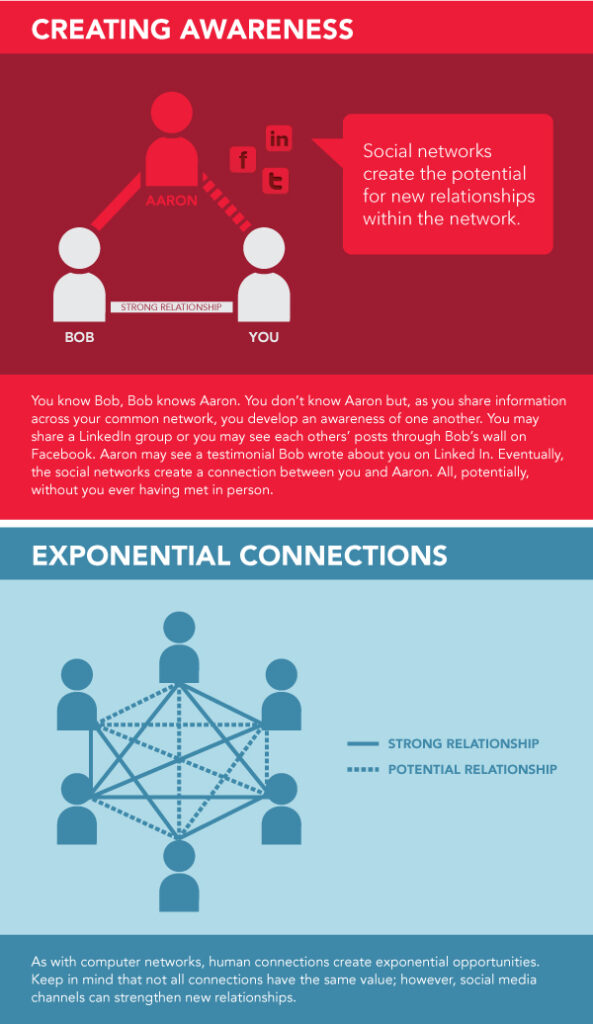
Online Networking: With the rise of social media and professional networking platforms, online networking has become increasingly popular. Platforms like LinkedIn, Twitter, and industry-specific forums offer opportunities to connect with professionals worldwide, engage in discussions, and showcase your expertise.
Strategies for Effective Networking
To make the most of your networking efforts, it is essential to employ effective strategies that will help you build and nurture valuable connections. Here are some strategies to consider:
-
Set Clear Goals: Before attending networking events or reaching out to individuals, define your goals. Are you looking for potential clients, partners, or mentors? Having a clear objective will help you prioritize your efforts and make meaningful connections.
-
Be Genuine and Authentic: When networking, be genuine and show a sincere interest in others. Building strong relationships is based on trust and authenticity, so always strive to be your true self. People are more likely to remember and support someone they perceive as genuine.
-
Listen and Ask Questions: Actively listening and asking engaging questions is an effective way to build rapport and show interest in others. By listening carefully, you can identify common interests, challenges, or opportunities that can form the basis of a meaningful connection.
-
Follow up and Stay Connected: The follow-up is essential in networking. After meeting someone, make sure to follow up with a personalized message or email. Stay connected by maintaining regular communication, sharing relevant information, and checking in on your connections.
-
Give Before You Expect to Receive: Networking is a two-way street. Instead of solely focusing on what you can gain, think about how you can contribute and offer value to others. By being helpful and supportive, you create a mutually beneficial relationship that can lead to long-term success.
Building and Maintaining a Network
Building and maintaining a network requires time and effort, but the rewards are worth it. Here are some tips for successfully building and nurturing your professional network:
-
Identify Target Connections: Determine the types of individuals you want to connect with. Are you seeking mentors, potential clients, or industry peers? Knowing your target connections will help you focus your efforts and seek out the right opportunities.
-
Attend Networking Events: Actively seek out networking events, both online and offline, that cater to your industry or interests. These events provide valuable opportunities to meet new people, exchange ideas, and establish connections. Remember to come prepared with your elevator pitch and plenty of business cards.
-
Join Professional Associations: Professional associations and industry-specific groups are a great way to meet like-minded professionals and stay informed about the latest trends and developments in your field. Take an active role in these associations by attending events, participating in committees, or volunteering.
-
Leverage Social Media: Utilize social media platforms, such as LinkedIn, to connect with professionals in your field. Engage in discussions, share relevant content, and showcase your expertise. Social media can also be a great platform to discover potential networking events or build relationships online.
-
Participate in Online Communities: Engage in online communities, such as forums or industry-specific Facebook groups, where professionals gather to discuss relevant topics. By contributing valuable insights and actively participating, you can establish yourself as an authority and expand your network.
Leveraging Your Network for Marketing Success
Once you have built a strong network, it is essential to leverage it effectively to drive marketing success. Here are some ways to harness the power of your network:
-
Referral Programs: Encourage your network to spread the word about your business by implementing a referral program. Offer incentives or discounts to those who refer your products or services, creating a win-win situation for both parties.
-
Collaborative Marketing Campaigns: Partner with other professionals or businesses in your network to create collaborative marketing campaigns. By combining resources, you can reach a broader audience and benefit from shared expertise and networks.
-
Guest Blogging and Content Collaboration: Leverage your network to gain opportunities for guest blogging or content collaboration. By offering valuable insights and contributing to other platforms, you can expand your reach and establish yourself as an industry expert.
-
Cross-Promotion: Identify mutually beneficial ways to cross-promote your products or services with other professionals in your network. This can include featuring each other’s offerings in newsletters, sharing social media posts, or co-hosting webinars or events.
-
Testimonials and Case Studies: Request testimonials or case studies from satisfied clients or partners within your network. These success stories can serve as powerful marketing tools to showcase the value and credibility of your offerings.
Networking Events and Conferences
Networking events and conferences play a vital role in expanding your professional network and staying up-to-date with industry trends. Attending these events provides opportunities to meet new people, learn from industry leaders, and gain insights into emerging strategies. When attending networking events and conferences, make sure to:
- Set clear goals and determine what you hope to achieve from attending the event.
- Research the speakers, exhibitors, and participants ahead of time to identify individuals you would like to connect with.
- Prepare your elevator pitch and relevant promotional materials, such as business cards or brochures.
- Actively engage in conversations, ask meaningful questions, and listen attentively to build rapport with others.
- Follow up with new connections after the event to solidify relationships and explore future collaborations.

Online Networking Platforms
In addition to in-person events, online networking platforms have become valuable resources for expanding your network and staying connected with professionals worldwide. Platforms like LinkedIn, Twitter, and industry-specific forums offer opportunities to:
- Connect with professionals in your industry or niche and build relationships virtually.
- Engage in discussions, share industry insights, and learn from experienced professionals.
- Showcase your expertise through thought leadership articles, blog posts, or status updates.
- Join relevant groups or communities to connect with like-minded professionals and exchange ideas.
- Follow influencers and industry leaders to gain valuable insights and stay informed about the latest trends.
Measuring the Success of Networking Efforts
To gauge the effectiveness of your networking efforts, it is crucial to establish metrics and measure your progress. While networking may not always result in immediate and tangible outcomes, there are indicators you can track to evaluate your success. Consider tracking metrics such as:
- Number of new connections made at networking events or online platforms.
- Referrals or leads generated from your network.
- Collaborative projects or partnerships established through networking.
- Increase in social media engagement or website traffic resulting from networking efforts.
- Client retention and satisfaction levels among your network connections.
By measuring these metrics over time, you can assess the impact of networking on your marketing efforts and make adjustments as needed to maximize your success.

Conclusion
Networking is a powerful tool that marketers can harness to build relationships, generate leads, and drive business success. By actively engaging in networking activities, marketers can expand their professional circle, gain valuable insights, and establish themselves as authorities within their industries. Whether through in-person events or online platforms, networking offers numerous benefits and opportunities for collaboration, personal growth, and marketing success. So, take the time to build and nurture your network, and unlock the power of networking in marketing.