MLM, or multi-level marketing, has become a buzzword in the business world, but what does it really mean? In this article, you will uncover the true definition of MLM and gain a deeper understanding of how it works. Whether you are a curious entrepreneur or simply intrigued by the concept, this article will shed light on the inner workings of MLM and help you make sense of this popular marketing strategy. So, get ready to unravel the mysteries of MLM and take your knowledge to the next level.
What is MLM?
Definition and explanation of MLM
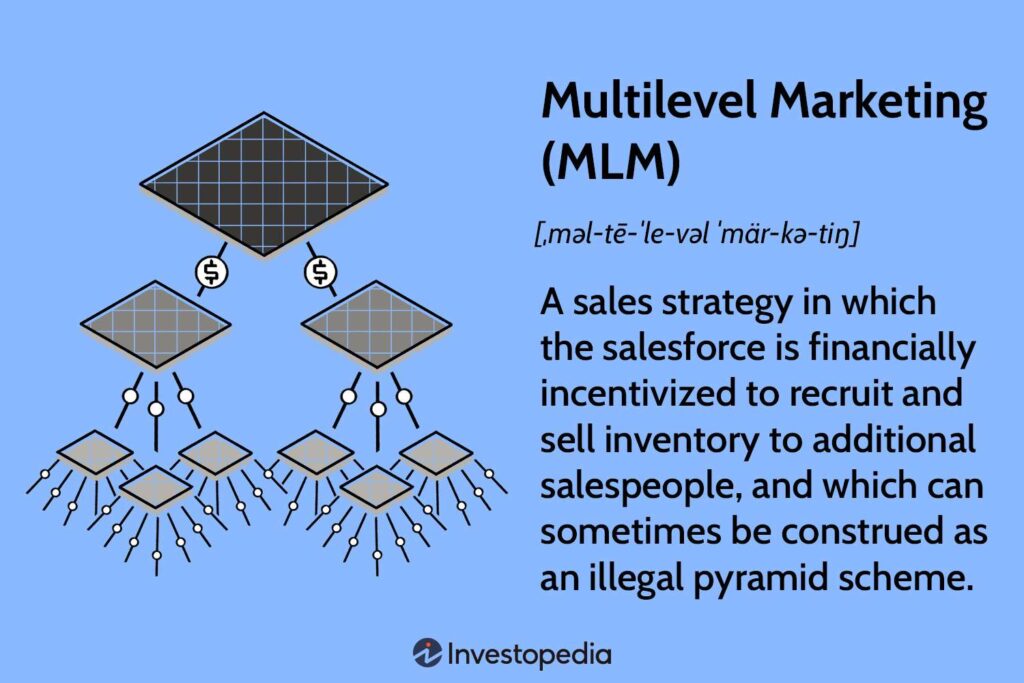
MLM stands for Multi-Level Marketing, which is a business model where individuals can earn money not only through their own sales, but also through the sales made by the people they recruit into the company. In MLM, participants are encouraged to build their own network of distributors and customers, and they receive commissions or bonuses based on the sales generated within their network.
Different MLM structures
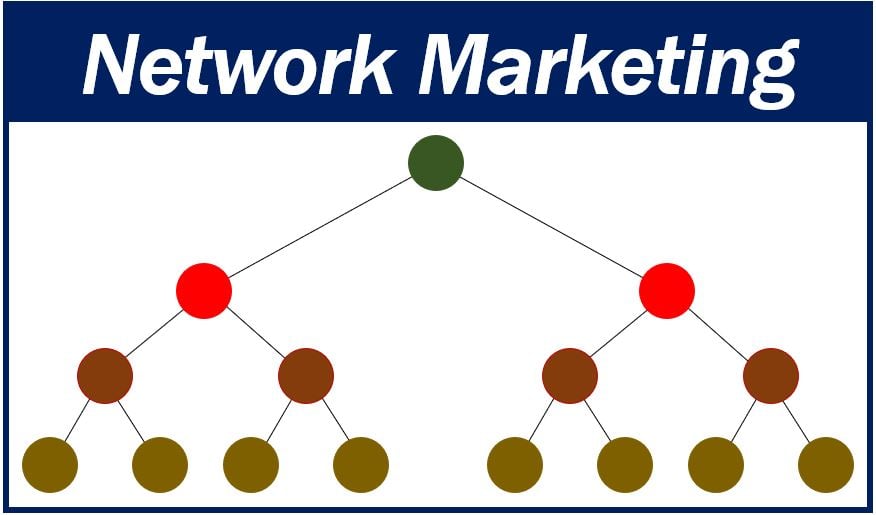
There are various MLM structures that companies may adopt. The most common structures include a binary plan, where each person recruits two distributors; a unilevel plan, where there is no limit on the number of distributors one can recruit; and a matrix plan, where a set number of distributors can be recruited per level. Each structure has its own advantages and disadvantages, and it’s important for individuals to understand the specific structure of the MLM company they are considering.
Key characteristics of MLM
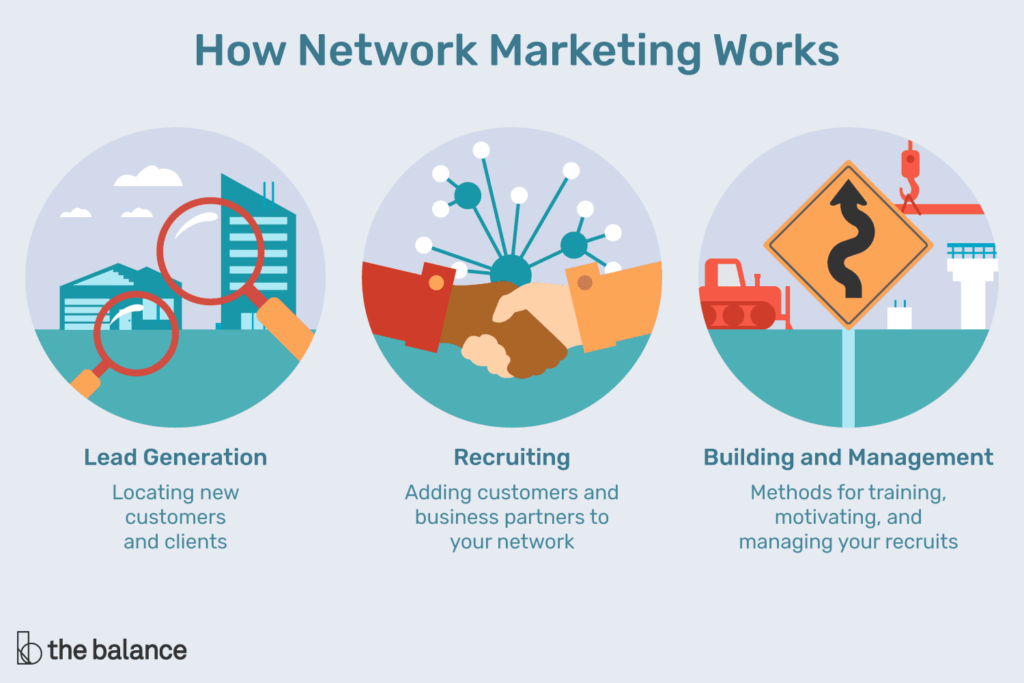
One key characteristic of MLM is the emphasis on building a network of distributors. MLM companies often provide training and support to help individuals recruit and build their network effectively. Another characteristic is the focus on direct selling, with distributors typically selling products or services directly to consumers. MLM also offers a unique compensation plan, where distributors can earn both through their own sales and through the sales made by their downline. This creates potential for significant income growth and financial freedom for those who are successful in MLM.
Historical Overview
Origins of MLM
The origins of MLM can be traced back to the late 19th century when companies like Avon and Tupperware introduced the concept of selling products through independent sales representatives. However, the modern MLM industry as we know it today began to gain traction in the 1940s with the establishment of Nutrilite, which focused on health and wellness products. This paved the way for other MLM companies to emerge and thrive in the following decades.
Evolution of MLM over time
Since its inception, MLM has evolved significantly. In the early days, MLM companies primarily relied on in-person meetings and word-of-mouth marketing to promote their products and recruit distributors. However, with the advent of technology and the internet, MLM has embraced online platforms and social media to reach a wider audience and expand its business. This evolution has made it easier for individuals to start their own MLM businesses and connect with potential customers and distributors from around the world.
MLM vs. Pyramid Schemes
Understanding the difference
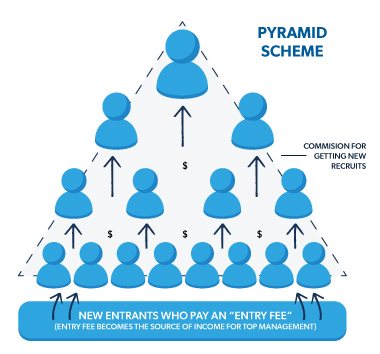
MLM and pyramid schemes are often confused, but they are fundamentally different. While MLM operates within a legal framework and focuses on the sale of products or services, pyramid schemes are illegal and primarily focus on recruitment. In pyramid schemes, participants are often required to pay a fee to join and are promised high returns for recruiting others into the scheme. The main source of income in a pyramid scheme is the recruitment fees, rather than the sale of actual products. MLM, on the other hand, places a greater emphasis on product sales and allows participants to earn commissions based on their sales and the sales made by their downline.
Legal implications
Due to the similarities between MLM and pyramid schemes, MLM companies are sometimes subject to legal scrutiny. To differentiate themselves from pyramid schemes, MLM companies must ensure that their compensation plans are primarily based on product sales and not solely on recruitment. Many countries have specific regulations that govern MLM practices, such as requiring transparent disclosure of the compensation structure and prohibiting inventory loading. Compliance with these regulations is essential for MLM companies to operate legally and maintain their reputation.
MLM Success Stories
Notable MLM success stories
Over the years, there have been numerous MLM success stories that highlight the potential for financial success and personal growth in this industry. One notable success story is that of Mary Kay Ash, who founded Mary Kay, a leading cosmetic company. She started her business with a vision of empowering women and created a successful MLM company that has provided opportunities for countless individuals to achieve financial independence. Another success story is Amway, one of the largest MLM companies in the world, which has helped many people build successful businesses and create a passive income stream.
Factors contributing to their success
The success of MLM companies and individuals can be attributed to various factors. Firstly, successful MLM entrepreneurs often have a strong work ethic and are dedicated to their business. They invest time and effort into building relationships, promoting their products, and supporting their team members. Secondly, the products or services offered by MLM companies play a crucial role in their success. High-quality products that meet customer needs and provide value contribute to customer satisfaction and repeat purchases. Lastly, effective training and support from the MLM company are also key factors in achieving success. Educational resources, mentorship, and ongoing training help individuals develop the necessary skills to excel in MLM.
Lessons learned
From these success stories, we can learn valuable lessons. Persistence and consistency are crucial in MLM, as building a successful network takes time and effort. It’s important to believe in the products or services being marketed and to genuinely help others solve their problems through these offerings. Building relationships and providing excellent customer service are also critical in MLM, as satisfied customers are more likely to become repeat customers and refer others to the business. Lastly, embracing continuous learning and personal development is essential for growth, both as an individual and as an MLM business owner.
Common MLM Myths
Debunking misconceptions
There are several common misconceptions about MLM that often paint it in a negative light. One myth is that MLM is a pyramid scheme. As discussed earlier, MLM is a legitimate business model that focuses on product sales, while pyramid schemes are illegal and solely rely on recruitment fees. Another myth is that only those who join early in an MLM company can achieve success. While there can be advantages to joining early, success in MLM is ultimately determined by the effort, skills, and dedication of the individual. It’s important to debunk these myths and educate others about the realities of MLM to provide a more accurate understanding of the industry.
Separating facts from fiction
To better understand MLM, it’s crucial to separate facts from fiction. MLM is a legal and established business model that operates in many countries around the world. While success is not guaranteed and it requires hard work, MLM offers individuals the opportunity to start their own business with low startup costs and flexible working hours. MLM companies provide training, support, and a proven system for growth, making it accessible to people from diverse backgrounds. It’s important to critically evaluate information and rely on credible sources when forming opinions about MLM.
MLM Regulations
National and international MLM regulations
MLM regulations vary from country to country. Some countries have specific laws and regulations that govern MLM practices, while others may have general consumer protection laws that apply to MLM companies. For example, in the United States, the Federal Trade Commission (FTC) enforces rules and regulations related to MLM operations, such as requiring MLM companies to provide accurate and transparent information about their compensation structure, earnings potential, and product claims. It is essential for MLM companies to comply with these regulations to maintain trust and credibility in the industry.
Consumer protection measures
MLM regulations often aim to protect consumers from fraudulent MLM practices and ensure fair business practices. These measures include requiring MLM companies to disclose comprehensive information about their business model, compensation structure, and product details. MLM companies are also often prohibited from making false or misleading income claims and are required to provide a cooling-off period for consumers to cancel their participation without penalty. Additionally, regulators may investigate complaints and take legal action against MLM companies that engage in deceptive or unfair practices. These consumer protection measures strive to create a level playing field and foster trust between MLM companies, distributors, and customers.
MLM and Entrepreneurship
MLM as a business opportunity
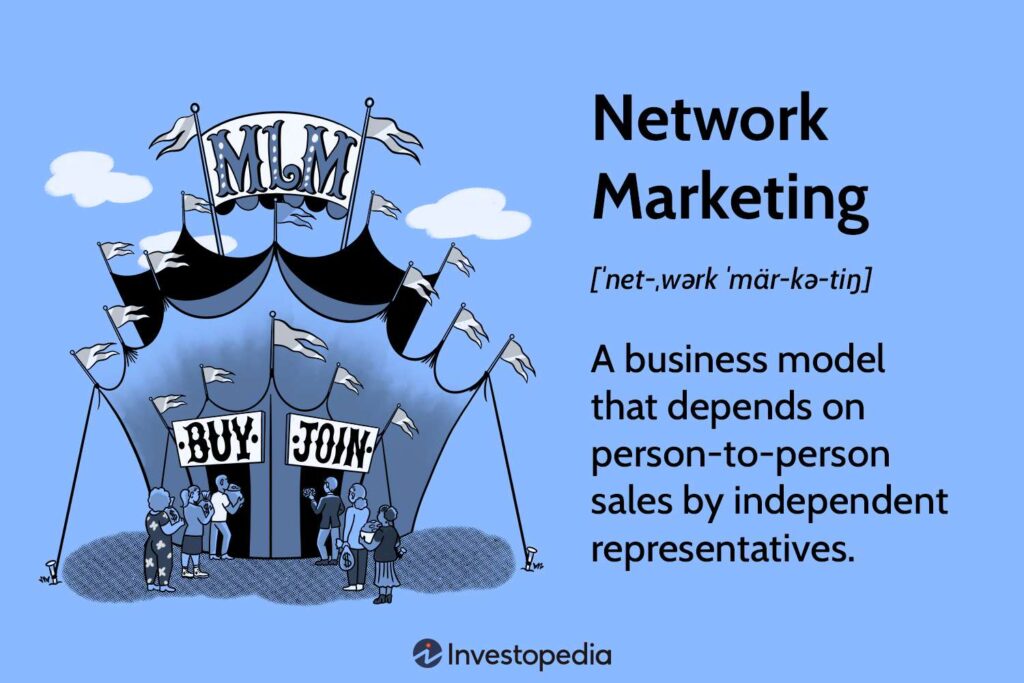
MLM offers individuals the opportunity to become entrepreneurs and start their own business with relatively low investment costs. Becoming an MLM distributor allows individuals to sell established products or services without the need to create their own. MLM also provides a ready-made system for growth and support, including training and marketing materials. This makes MLM an attractive option for those who want to be their own boss and have the flexibility to work from home or anywhere with an internet connection. MLM can be a stepping stone for individuals to gain entrepreneurial experience and build their own business skills.
Challenges and benefits for entrepreneurs
As with any entrepreneurial endeavor, MLM presents both challenges and benefits. One challenge is the need to build and maintain a network of distributors and customers. This requires effective communication skills, relationship-building, and the ability to motivate and support team members. Additionally, building a successful MLM business often takes time and consistent effort, and it may require individuals to step out of their comfort zones and overcome rejection. On the other hand, MLM offers several benefits for entrepreneurs. These include the potential for passive income and the ability to earn money based on the efforts of others. MLM also provides a platform for personal development, as individuals can improve their leadership, communication, and sales skills.
MLM Training and Education
Importance of training in MLM
Training plays a crucial role in MLM success. MLM companies often provide comprehensive training programs to help distributors understand the products, the business model, and effective marketing and sales techniques. Training equips individuals with the knowledge and skills necessary to effectively promote the products or services, recruit distributors, and manage their network. It also helps in building confidence, overcoming challenges, and adapting to changing market trends. Continuous training is essential as it enables individuals to stay updated with the latest industry developments and strategies.
Resources for MLM education
There are many resources available for MLM education. MLM companies offer training materials, webinars, and conferences to equip their distributors with the necessary skills and knowledge. Additionally, there are independent trainers and coaches who specialize in MLM education and provide personalized guidance and support. Books, podcasts, and online courses are also valuable resources for individuals looking to enhance their understanding of MLM and develop their business skills. Joining industry associations and networking with experienced MLM practitioners can also provide opportunities for learning and sharing best practices.
MLM Ethics and Integrity
Maintaining ethical practices in MLM
Maintaining ethical practices is essential for the long-term success and sustainability of MLM companies. MLM distributors should always prioritize the interests of their customers and ensure that the products or services they promote offer genuine value. Distributors should avoid making false or exaggerated claims about the benefits or outcomes of the products. Transparency and honesty in sharing information about the compensation structure, potential earnings, and the effort required to succeed are also important. Treating distributors and team members with respect and fairness fosters a positive and supportive network. Adhering to ethical practices not only builds a strong reputation but also cultivates trust among customers, distributors, and the broader MLM community.
Promoting transparency and trust
Transparency and trust are vital in MLM. MLM companies should provide clear and accurate information about their business model, compensation plan, product details, and any associated costs. Distributors should be transparent with their customers and potential recruits about the nature of the MLM business and its income potential. MLM companies should regularly communicate with their distributors, provide timely updates on changes or developments, and address any concerns or complaints in a fair and responsive manner. Fostering a culture of transparency and trust enhances the overall reputation of MLM and ensures the long-term viability of the industry.
The Future of MLM
Emerging trends in MLM
The MLM industry is experiencing several emerging trends that are shaping its future. One major trend is the integration of technology. MLM companies are leveraging technology to streamline business operations, enhance communication, and expand their reach. Online platforms, social media, and e-commerce websites have become crucial tools for product promotion, customer engagement, and distributor recruitment. Another trend is the diversification of products and services offered by MLM companies. Many MLM companies now offer a wide range of products, including health supplements, beauty products, household items, and even financial services. This expansion allows MLM companies to tap into new markets and cater to a broader customer base.
Technological advancements and their impact
Technological advancements are driving significant changes in the MLM industry. Mobile applications and personalized websites provide distributors with user-friendly tools to manage their business, track sales, and communicate with their team. Artificial intelligence and machine learning are being employed to improve customer targeting and personalize product recommendations. The use of blockchain technology is also being explored to enhance transparency and traceability in MLM transactions. These advancements are streamlining processes, increasing efficiency, and opening up new opportunities for MLM companies and distributors. As technology continues to evolve, the MLM industry is likely to embrace further innovations that will shape its future growth and success.
In conclusion, MLM is a business model that offers individuals the opportunity to become entrepreneurs and generate income through product sales and building a network of distributors. It has evolved over time, faced misconceptions, and dealt with legal implications. MLM regulations and consumer protection measures are in place to ensure fair practices. MLM presents both challenges and benefits for entrepreneurs, and training and education are crucial for success. Upholding ethics, transparency, and trust are essential for sustaining MLM’s reputation. With emerging trends and technological advancements, the future of MLM looks promising as it continues to adapt and innovate.