Understanding MLM Companies
MLM companies, also known as multi-level marketing companies, are unique business models that offer individuals the opportunity to build their own successful businesses. In an MLM company, you become an independent distributor and have the ability to earn income through both your own sales efforts and the sales efforts of your downline.
MLM companies operate by selling products or services directly to consumers through a network of distributors. As a distributor, you have the chance to earn commissions on the sales you make, as well as a commission on the sales made by those you recruit into the MLM opportunity. This creates a multi-level income structure, where you not only focus on building your personal customer base but also on mentoring and supporting your team members to achieve their goals.
Understanding MLM companies can be the first step towards exploring this unique business opportunity. By learning more about how MLM companies function and the potential benefits they offer, you can decide if this type of business model aligns with your goals and values. Remember, MLM companies provide a platform for individuals to pursue entrepreneurship, develop valuable skills, and potentially earn a passive income stream. So, take the time to research and understand MLM companies’ dynamics to make an informed decision about your future business endeavors.
1. What is an MLM company?
1.1 Definition of an MLM company
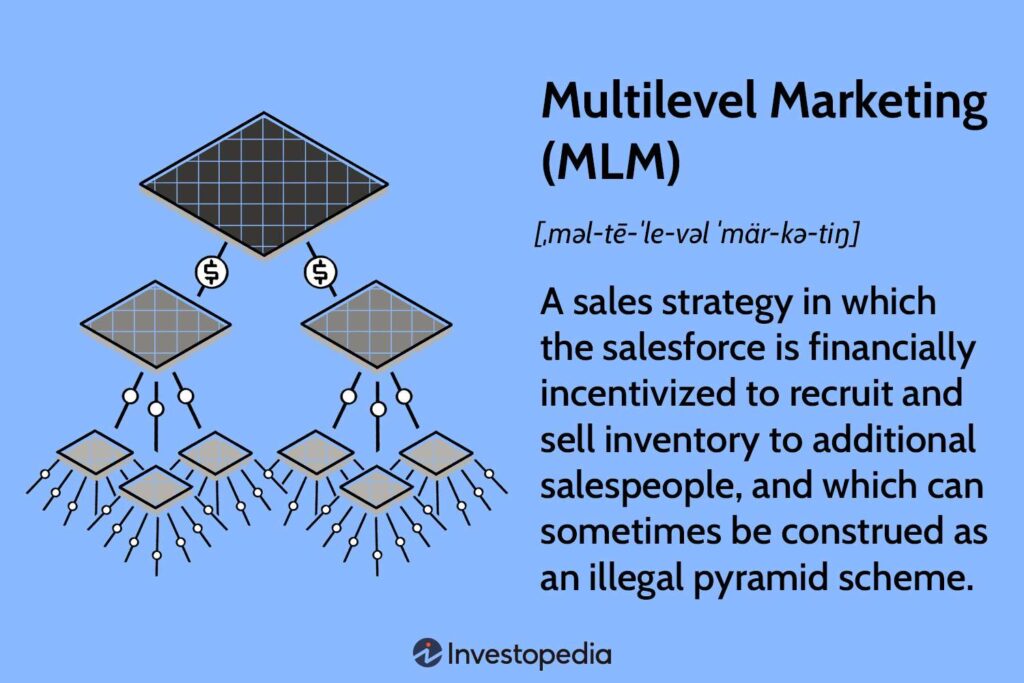
An MLM (Multi-Level Marketing) company, also known as a network marketing company, is a business model that relies on a network of independent distributors or representatives to sell products or services. These companies typically have a hierarchical structure, with distributors at different levels earning commissions from the sales generated by their downline or referrals.
1.2 Structure and operations of MLM companies
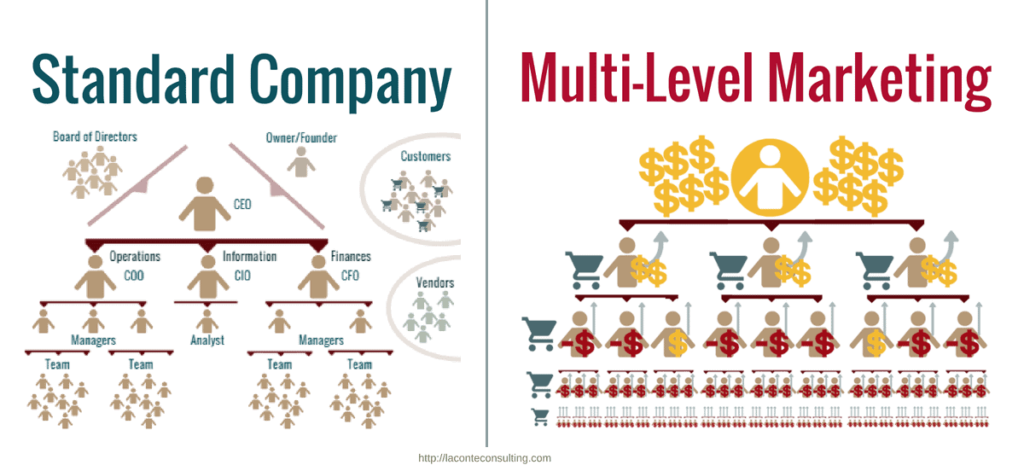
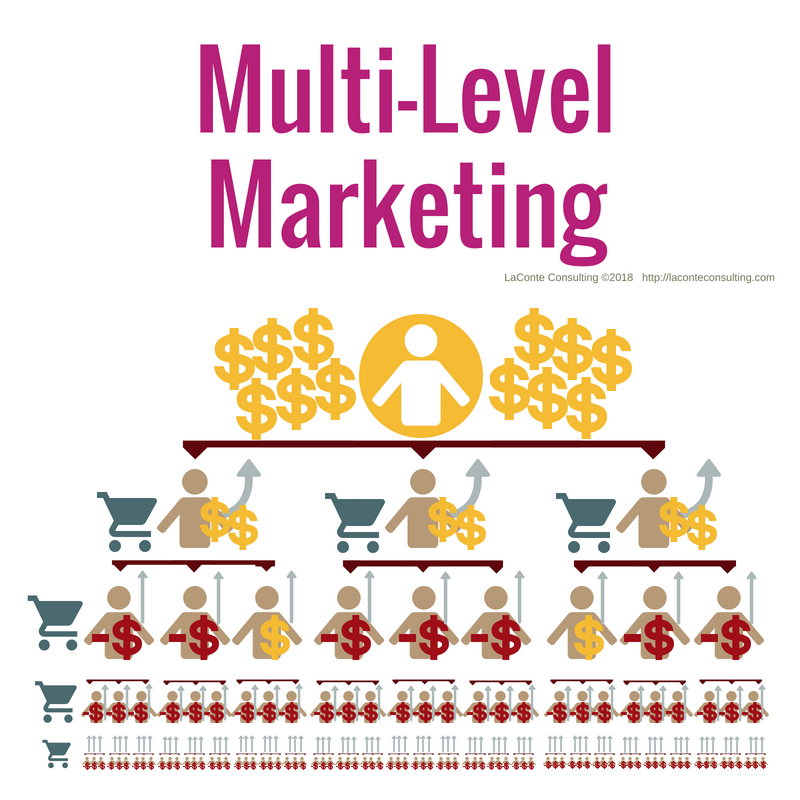
MLM companies typically have a pyramid-like structure, with a few individuals at the top who have the largest downlines, followed by a larger number of distributors at lower levels. Distributors are recruited by existing members and earn commissions not only from their own sales but also from the sales made by those they have referred.
The operations of MLM companies involve selling products or services directly to consumers, either through one-on-one selling or group presentations. Distributors are responsible for building and maintaining their customer base, as well as recruiting new members to expand their downline and increase their earning potential.
1.3 MLM companies vs. pyramid schemes
While MLM companies often share similarities with pyramid schemes, there are key differences that set them apart. Pyramid schemes focus solely on recruiting new members and do not involve the sale of products or services. In contrast, MLM companies have a legitimate product or service offering, and distributors earn commissions based on actual sales rather than just recruitment.
MLM companies abide by certain legal regulations and consumer protection laws, whereas pyramid schemes are considered illegal in most countries. It is important to distinguish between the two to ensure that you are getting involved with a legitimate MLM company.
2. How MLM companies operate
2.1 Product or service offering
MLM companies offer a wide range of products or services, which can vary from health and wellness products to cosmetics, home goods, and even financial services. These products are typically exclusive to the company and distributed through their network of independent distributors.
The product or service offering is a crucial factor in the success of an MLM company. It should be of high quality, competitively priced, and in-demand to attract customers and sustain distributor sales.
2.2 Compensation plan
The compensation plan is a critical aspect of an MLM company’s operations. It outlines how distributors earn income and incentives based on their sales and the sales of their downline. Compensation plans can be complex, incorporating various components such as retail commissions, bonuses for reaching sales milestones, and overrides on the sales of downline distributors.
Understanding the compensation plan is essential before joining an MLM company. It is important to evaluate the earning potential and ensure that the plan aligns with your financial goals and capabilities.
2.3 Recruitment and team building
Recruitment plays a significant role in MLM companies as distributors are encouraged to recruit new members to expand their downline. Distributors earn commissions not only from their direct sales but also from the sales made by those they have recruited.
Successful MLM participants focus on building a strong and motivated team by recruiting individuals who are enthusiastic about the products or services and are committed to succeeding in the business. Team building often involves training, support, and regular communication to help new recruits grow and achieve their goals.
2.4 Training and support
MLM companies provide training and support to their distributors to help them succeed in the business. This can include product knowledge training, sales and marketing strategies, and guidance on building and managing a team.
The best MLM companies invest in their distributor’s personal development and provide ongoing support to ensure their success. Distributors benefit from mentorship, regular conferences, and training materials to enhance their skills and knowledge.
2.5 Sales and marketing strategies
To effectively sell products or services, MLM distributors employ a variety of sales and marketing strategies. These strategies can include one-on-one presentations, hosting home parties, participating in trade shows or community events, utilizing social media platforms, and creating personalized websites.
Successful MLM participants understand the importance of building relationships with customers and identifying their needs and preferences. They often utilize testimonials from satisfied customers, offer samples or trial periods, and provide exceptional customer service to generate sales and attract repeat business.
3. Advantages of MLM companies
3.1 Flexibility and entrepreneurial opportunities
One of the key advantages of MLM companies is the flexibility they offer their distributors. MLM participants have the freedom to work at their own pace and determine their own schedule. This provides individuals with the opportunity to pursue other professional or personal endeavors while building their MLM business part-time or full-time.
Additionally, MLM companies offer entrepreneurial opportunities to individuals who may not have the financial resources or expertise to start their own business from scratch. Distributors have access to established products or services, marketing support, and a network of peers who can provide guidance and assistance.
3.2 Passive income potential
MLM companies present the potential for passive income, which is income earned on an ongoing basis without active involvement in day-to-day operations. As distributors build their team and downline, they can earn residual income based on the sales generated by their organization.
This passive income potential allows MLM participants to create an additional stream of revenue that continues to grow over time, even when they are not actively selling or recruiting new members. It offers financial stability and the opportunity to achieve financial goals beyond traditional employment.
3.3 Personal development and self-growth
MLM companies often emphasize personal development and self-growth as integral components of their business model. Distributors are encouraged to attend training sessions, conferences, and workshops to enhance their skills in sales, marketing, leadership, and communication.
The focus on personal development not only contributes to the success of individuals in their MLM business but also equips them with valuable skills and knowledge that can be applied to various aspects of their personal and professional lives.
3.4 Network expansion and social connections
One of the unique aspects of MLM companies is the opportunity for network expansion and building social connections. Through the recruitment and team-building process, distributors have the chance to meet new people, collaborate with like-minded individuals, and build lasting relationships with colleagues and customers.
The network built in MLM companies can extend beyond borders and provide opportunities for international business partnerships and cultural exchange. It creates a supportive community that fosters personal and professional growth.
4. Challenges faced in MLM companies
4.1 High attrition rates
One of the challenges faced by MLM companies is high attrition rates among their distributors. Many individuals join MLM companies with high expectations of quick success but often become discouraged by the realities of the business, such as the need for consistent effort and perseverance.
To alleviate this challenge, MLM companies need to focus on effective training, support mechanisms, and ongoing motivation to ensure that distributors are well-equipped to overcome obstacles and stay committed to their goals.
4.2 False income expectations
Another challenge in MLM companies is the misconception and false income expectations that some individuals may have. MLM companies are not a get-rich-quick scheme, and success is a result of hard work, dedication, and building a strong customer base and team.
To address this challenge, MLM companies should provide realistic income projections and transparent income disclosure to help potential distributors understand the effort required to achieve their financial goals. Clear communication about the time and effort commitment needed for success can help manage expectations and ensure that individuals are joining for the right reasons.
4.3 Negative public image
MLM companies have often faced negative public perception due to the association with pyramid schemes or instances of unethical practices by a few companies in the industry. This negative image can create skepticism and distrust among potential customers and new recruits.
To counteract this challenge, MLM companies must focus on ethical business practices, transparent operations, and genuine product value. Engaging in responsible marketing and advertising, providing accurate information about products or services, and addressing customer concerns promptly can help build trust and improve the public image of MLM companies.
4.4 Regulatory concerns
MLM companies operate within a regulatory framework that varies from country to country. These regulations are designed to protect consumers from fraudulent schemes and ensure fair business practices.
The challenge for MLM companies is to navigate and comply with these regulations, which may include registration requirements, compensation plan examination, consumer protection laws, and redress procedures. Staying updated with the laws pertaining to MLM operations and working closely with legal advisors can help mitigate potential regulatory concerns.
5. MLM vs. traditional business models
5.1 Key differences in structure and operation
MLM companies differ from traditional business models in various ways. While traditional businesses typically rely on a single-tier sales force, MLM companies employ a multi-tier structure with distributors at different levels.
In MLM companies, distributors have the opportunity to earn income from their own sales as well as from the sales generated by those they have recruited. This creates a sense of teamwork and collaboration among distributors and emphasizes building a strong network.
5.2 Risk and investment
Starting a traditional business often involves significant financial risk and investment. Entrepreneurs need to secure funding, find a physical location, invest in inventory, and handle various operational expenses.
In contrast, MLM companies offer a lower barrier to entry. Distributors can join an MLM company with a relatively low upfront investment, typically in the form of purchasing a starter kit or product bundle. The risk and financial burden are significantly reduced, allowing individuals to start their own business with minimal capital.
5.3 Revenue generation and profit potential
Revenue generation and profit potential differ between MLM companies and traditional businesses. In a traditional business, revenue is primarily generated from the sale of products or services to customers. Profit is earned after deducting expenses and costs.
For MLM participants, revenue is generated through product sales as well as recruitment efforts. Distributors can earn commissions from the sales made by their team or downline. The profit potential is influenced by the distributor’s ability to make sales, recruit and build a team, and effectively manage their business expenses.
6. Common misconceptions about MLM companies
6.1 Pyramid scheme accusations
One common misconception about MLM companies is that they are pyramid schemes. While pyramid schemes operate solely on recruitment without any product or service offering, MLM companies have a legitimate product or service and distributors earn income based on sales rather than recruitment alone.
To dispel this misconception, it is essential to understand the differences between pyramid schemes and MLM companies. Conducting thorough research and evaluation of the company’s business model, compensation plan, and product offering can help differentiate between the two.
6.2 Recruitment-focused vs. product-focused
Another misconception about MLM companies is that they are solely focused on recruitment rather than the actual products or services they offer. While recruitment is a part of network marketing, product sales are equally important.
To overcome this misconception, MLM participants should focus on promoting the unique benefits and value of the products or services they represent. Emphasizing the quality, effectiveness, and exclusivity of the offerings can attract customers who are genuinely interested in the products, leading to sustainable sales and business growth.
6.3 Get-rich-quick schemes
MLM companies are often misrepresented as get-rich-quick schemes, promising quick and easy wealth without much effort. This misconception stems from individuals who have unrealistic income expectations or have encountered fraudulent schemes operating under the guise of MLM.
To combat this misconception, MLM participants should communicate the realistic income potential, emphasizing the importance of hard work, dedication, and continuous learning. Sharing personal success stories, highlighting the support and training provided by the company, and setting realistic goals for newcomers can help dispel the notion of instant riches.
7. Legal aspects and regulation of MLM companies
7.1 MLM company registration requirements
The legal aspects and regulations surrounding MLM companies vary from country to country. In some jurisdictions, MLM companies are required to register with regulatory bodies or government agencies to ensure compliance with consumer protection laws and other relevant regulations.
It is important for MLM companies to understand and fulfill the registration requirements in the jurisdictions they operate in to avoid legal implications and ensure the protection of their distributors and consumers.
7.2 Compliance with consumer protection laws
MLM companies must comply with consumer protection laws to safeguard the interests and rights of their customers. These laws often regulate product claims, refund policies, business practices, and marketing guidelines, among other aspects.
Compliance with consumer protection laws is crucial for maintaining a positive reputation, building trust with customers, and avoiding legal issues. MLM companies should carefully review and adhere to the applicable laws and regulations to ensure ethical business practices.
7.3 Examination of compensation plans
Regulatory bodies and government agencies often scrutinize the compensation plans of MLM companies to ensure they are fair and in compliance with legal requirements. Compensation plans must not solely rely on recruitment or emphasize the recruitment aspect to the detriment of product sales.
By examining compensation plans, authorities can identify potential pyramid schemes or unethical practices. MLM companies should proactively review their compensation plans to ensure they align with legal guidelines and promote a balanced approach between recruitment and product sales.
7.4 Consumer redress and complaint procedures
To protect consumers, MLM companies should establish clear and accessible processes for resolving disputes, addressing complaints, and providing refunds or exchanges. Effective consumer redress mechanisms help maintain customer satisfaction, loyalty, and trust in the company.
MLM participants should be aware of the complaint procedures and support channels available within their MLM company and promote a customer-centric approach to resolving issues promptly and professionally.
8. MLM companies and ethics
8.1 Ethical marketing and advertising practices
Ethical marketing and advertising practices are essential for MLM companies to maintain credibility and trust in the marketplace. MLM participants should refrain from making false or exaggerated claims about their products or the income potential of the business.
Transparent and accurate product information, testimonials from satisfied customers, and compliance with advertising laws and regulations can contribute to ethical marketing and advertising practices. MLM companies should provide guidance and training to their distributors to ensure they understand and uphold these ethical standards.
8.2 Transparency in income disclosure
MLM companies should practice transparency in income disclosure to set realistic expectations and promote integrity within their business. Providing accurate information about the average earnings of distributors at different levels can help individuals evaluate the income potential realistically.
Clear communication about the effort, time commitment, and sales skills required to achieve certain income levels can prevent false income expectations and promote fairness within the MLM community.
8.3 Encouraging responsible recruitment
Responsible recruitment is crucial for MLM companies to operate ethically and sustainably. Distributors should focus on recruiting individuals who have a genuine interest in the products or services and are committed to building a successful business.
Encouraging responsible recruitment involves ensuring potential recruits understand the effort and dedication required, setting realistic goals, and providing ongoing support and training to help new distributors succeed. By prioritizing quality over quantity in recruitment efforts, MLM companies can maintain a strong and motivated team.
8.4 Promoting genuine product value
MLM companies should emphasize the value and benefits of their products or services to ensure ethical business practices. Distributors should genuinely believe in the quality and effectiveness of the offerings they represent and communicate this to their customers.
By providing accurate product information, highlighting the unique features, and sharing personal experiences or success stories, MLM companies can build trust and loyalty among customers and ensure the long-term sustainability of their business.

9. Success tips for MLM company participants
9.1 Finding a reputable MLM company
Finding a reputable MLM company is essential for individuals considering joining the industry. Researching the company’s background, reputation, product offering, compensation plan, and leadership team can help determine its legitimacy.
Seeking recommendations from trusted sources, attending company events or presentations, and reaching out to current distributors for their insights can provide valuable information to make an informed decision.
9.2 Setting realistic goals
Setting realistic goals is critical for success in the MLM industry. MLM participants should outline specific, measurable, achievable, relevant, and time-bound (SMART) goals to track their progress and stay motivated.
By focusing on short-term and long-term goals, distributors can maintain a clear vision of what they want to achieve and take the necessary steps to reach their desired level of success within the MLM company.
9.3 Building a strong network
Building a strong network is crucial for MLM participants to maximize their earning potential. Engaging with existing customers, reaching out to potential customers, and building relationships with other distributors can help expand the distributor’s customer base and team.
Networking events, team meetings, and social media platforms can be utilized to connect with like-minded individuals, share knowledge and experiences, and form meaningful connections that contribute to business growth.
9.4 Continuous learning and self-improvement
Continuous learning and self-improvement are essential for success in any industry, including MLM. MLM participants should invest time in learning about the products or services they represent, improving their sales and marketing skills, and enhancing their leadership and communication abilities.
By staying updated with industry trends, attending training sessions and conferences, reading relevant books or articles, and seeking mentorship from experienced MLM leaders, participants can continue to grow personally and professionally.
9.5 Maintaining integrity and professionalism
Integrity and professionalism are paramount in the MLM industry. MLM participants should conduct their business with honesty, transparency, and ethical standards. Respecting customers’ needs and preferences, fulfilling commitments, and providing exceptional customer service contribute to a positive reputation and sustainable business success.
Maintaining professionalism in all interactions, whether with customers or fellow distributors, helps build trust and fosters a supportive and collaborative MLM community.
10. Evaluating the legitimacy of an MLM company
10.1 Researching the company background
Before joining an MLM company, conducting thorough research on the company’s background is crucial. Look into the company’s history, track record, financial stability, and reputation within the industry.
Take into account factors such as how long the company has been in operation, its growth trajectory, any legal issues or controversies it may have faced in the past, and its overall standing within the MLM community.
10.2 Understanding the products or services
Understanding the products or services offered by an MLM company is paramount. Evaluate the uniqueness, quality, and market demand of the products or services to ensure they align with your interests and the preferences of potential customers.
Take the time to try the products or services yourself and assess their value in terms of price, functionality, and benefits. Understanding the product offering enables MLM participants to genuinely promote and sell the offerings to customers.
10.3 Analyzing the compensation plan
Analyzing the compensation plan is an essential step in evaluating the legitimacy of an MLM company. Review the plan carefully to understand the various components, such as retail commissions, bonuses, overrides, and advancement criteria.
Evaluate the fairness and balance of the plan, ensuring that it rewards both product sales and the development of a strong downline. Consider the earning potential at different levels and assess whether the compensation plan aligns with your financial goals and efforts.
10.4 Examining the leadership team
Examining the leadership team of an MLM company provides insights into the company’s vision, values, and experience. Research the backgrounds and credentials of the company’s executives and key leaders.
Assess their track record in the MLM industry, their involvement in previous successful ventures, and their commitment to ethical business practices. A strong and experienced leadership team is indicative of a reputable MLM company.
10.5 Seeking independent reviews and testimonials
Seeking independent reviews and testimonials can provide valuable perspectives on the MLM company you are considering. Look for objective reviews from reputable sources, industry experts, or consumer advocacy organizations.
Additionally, reach out to current or former distributors within the company for their insights and experiences. Honest testimonials can help you gain a comprehensive understanding of the company’s strengths, weaknesses, and overall reputation.
In conclusion, MLM companies offer individuals the opportunity to start their own business and generate income through the sale of products or services. Understanding the structure, operations, advantages, challenges, and ethical considerations of MLM companies is crucial for individuals considering getting involved in the industry. By conducting thorough research, setting realistic goals, and prioritizing ethical business practices, MLM participants can maximize their potential for success. Remember to join reputable MLM companies, focus on product value, build strong networks, and continuously invest in personal and professional growth.