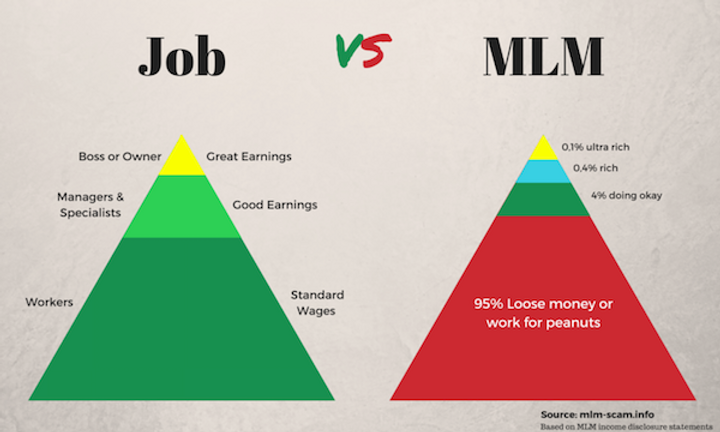
MLM stands for Multi-Level Marketing, and in this article, you will learn all about it. I’ll explain the concept of MLM, how it works, and why it has gained popularity. We’ll also explore the benefits and drawbacks of joining an MLM business, as well as tips on how to be successful in this industry. So, if you’re curious about MLM and want to understand it better, keep reading!
Definition of MLM
The meaning of MLM
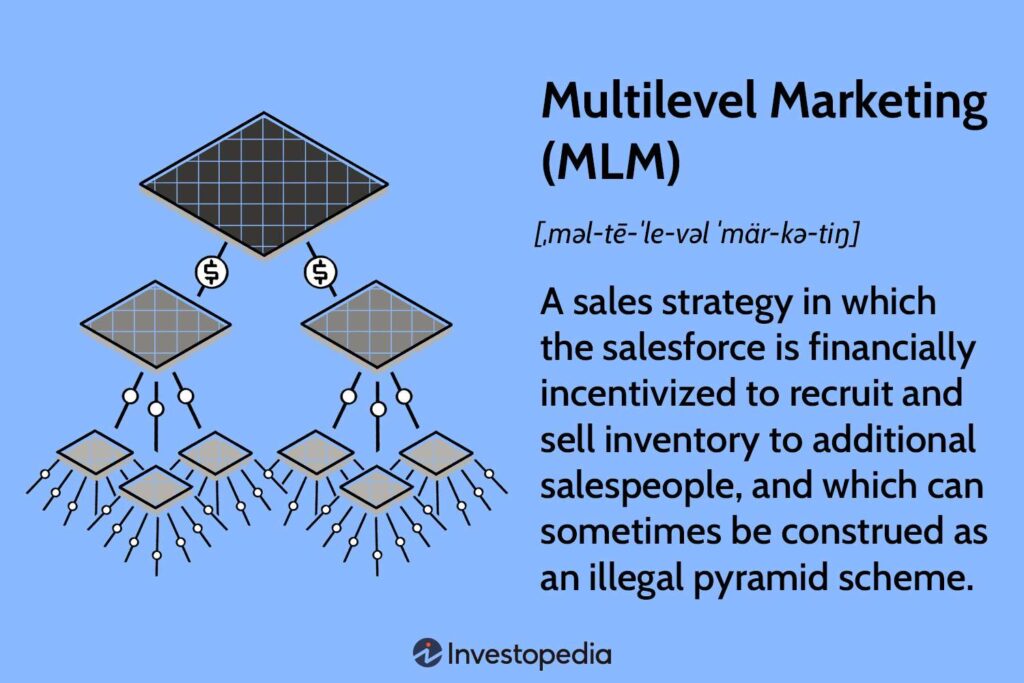
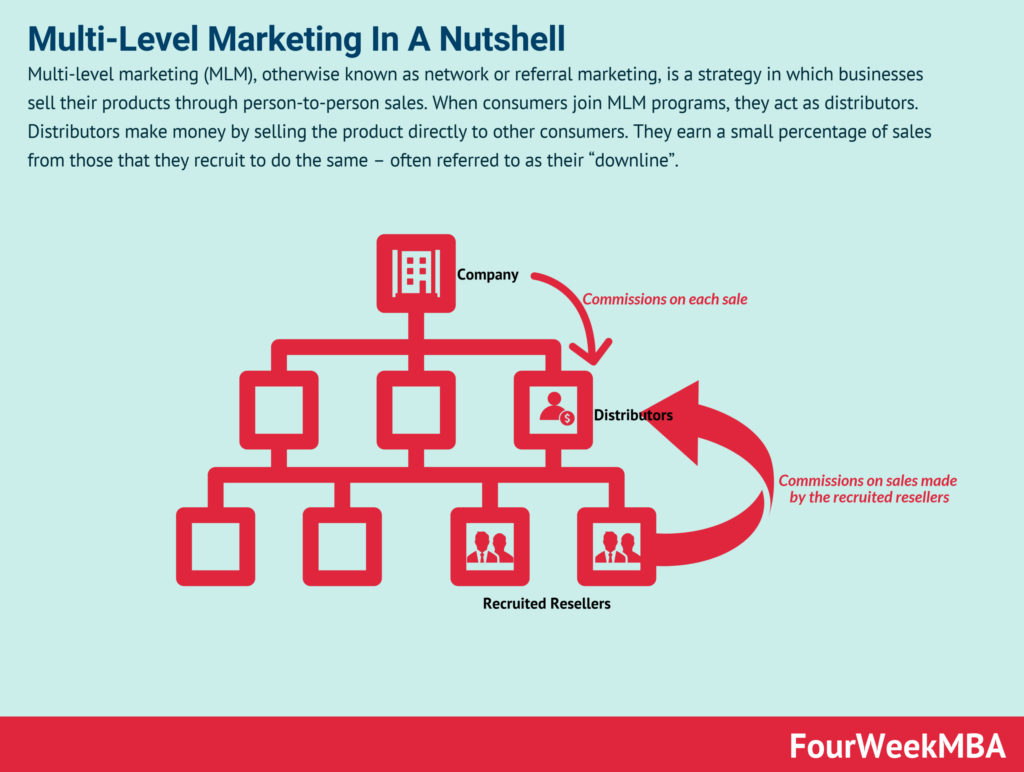
MLM, or Multi-Level Marketing, is a business model in which products or services are marketed and distributed through a network of independent representatives. In this type of marketing strategy, individuals not only sell products to customers, but they also recruit others to join the MLM company and become part of their downline. As a result, they earn commissions and bonuses not only from their own sales but also from the sales made by their recruits and the recruits’ recruits, forming a multi-level structure.
What MLM stands for
MLM stands for Multi-Level Marketing. The term “multi-level” refers to the hierarchical structure that exists within MLM companies, where representatives can earn income not only from their direct sales but also from the sales generated by their downline. This structure allows for the potential of exponential growth and income generation, as the efforts of multiple representatives can contribute to the overall success of the company.
Origin and History of MLM
The origins of MLM
The concept of MLM can be traced back to the mid-20th century, with the establishment of the California Vitamin Company, which is now known as Nutrilite. This company pioneered a business model that involved independent distributors selling health and wellness products directly to consumers. This model proved to be successful and set the foundation for future MLM companies.
Historical background of MLM
In the late 1940s, the MLM industry experienced significant growth with the launch of Amway, a company that helped popularize the MLM concept. Amway introduced the idea of building a network of distributors who sold a wide range of products, including home care, beauty, and nutritional supplements. The success of Amway and the emergence of other MLM companies in subsequent decades led to the establishment of the MLM industry as we know it today.
Structure of MLM
Components of MLM structure
The structure of MLM companies typically consists of several key components. At the core of the structure is the MLM company itself, which develops and manufactures the products or services being marketed. Independent representatives, often referred to as distributors or consultants, are the individuals who participate in the MLM business opportunity. They are responsible for selling the products or services to customers and building their downline by recruiting and training new representatives.
Hierarchy within MLM
MLM companies operate on a hierarchical structure, where representatives are organized into levels or tiers based on their recruitment efforts and sales performance. This hierarchy is commonly referred to as the “upline” and “downline.” The upline consists of the individuals who recruited and mentor a representative, while the downline includes the representatives recruited by that individual. As representatives succeed in recruiting and building their downline, they can advance to higher levels within the MLM company, earning increasing commissions and bonuses.
Types of MLM Companies
Product-based MLM
A product-based MLM company focuses on selling tangible products, such as cosmetics, nutritional supplements, or household goods. Representatives of these companies earn commissions based on the sale of these products, both from their personal sales and the sales made by their downline. Product-based MLM companies often emphasize the quality and unique features of their products, using them as a selling point to attract both customers and potential representatives.
Service-based MLM
In contrast to product-based MLM companies, service-based MLM companies primarily offer intangible services, such as telecommunications, energy, or financial services. Representatives of service-based MLM companies promote and sell these services to customers, earning commissions based on their sales and the sales made by their downline. These companies often highlight the cost-saving benefits or exclusive features of their services as a way to attract customers and representatives.
Hybrid MLM
Hybrid MLM companies combine elements of both product-based and service-based MLM companies. They offer a range of tangible products as well as additional services. These companies provide representatives with the flexibility to focus on either product sales, service sales, or a combination of both. This hybrid approach allows representatives to cater to a broader customer base and diversify their income streams within the MLM business opportunity.

Benefits of MLM
Financial rewards in MLM
One significant benefit of participating in MLM is the potential for financial rewards. MLM companies often offer competitive compensation plans, allowing representatives to earn commissions and bonuses not only from their sales but also from the sales generated by their downline. This multi-level structure provides the opportunity for exponential income growth as representatives recruit and build a successful network of distributors. With dedication and effort, representatives can earn a substantial income through their involvement in MLM.
Flexibility and freedom in MLM
MLM offers individuals the flexibility to work on their own terms and build their business at their own pace. Representatives have the freedom to choose when and where they work, allowing for a better work-life balance. MLM also provides individuals with the opportunity to be their own boss and take control of their financial destiny. The ability to determine their own schedule, set their goals, and work towards financial success is a significant draw for many people considering MLM as a business opportunity.
Challenges in MLM
Sustainability concerns in MLM
One of the main challenges in MLM is ensuring the sustainability of the business. MLM companies heavily rely on the recruitment of new representatives to fuel growth and generate sales. If the recruitment of new representatives slows down or stops, the income potential for existing representatives may decline. To overcome this challenge, MLM companies must focus on product quality, innovation, and providing ongoing support and training to their representatives to ensure the long-term viability of the business.
Negative perceptions of MLM
MLM has garnered some negative perceptions over the years due to a few unscrupulous companies operating as pyramid schemes. These pyramid schemes falsely represent themselves as legitimate MLM companies but primarily focus on recruitment rather than the sale of products or services. This unethical practice has led to skepticism and caution surrounding MLM as a whole. However, it is important to distinguish between legitimate MLM companies and illegal pyramid schemes, as MLM offers a genuine business opportunity for individuals with the right products and compensation plans.
Legalities and Regulations in MLM
Compliance with MLM laws
MLM companies must adhere to specific laws and regulations to ensure they operate ethically and legally. These laws vary by country, but generally, MLM companies must accurately represent their products or services, adhere to fair marketing practices, clearly disclose the compensation structure, and avoid fraudulent or deceptive practices. It is essential for MLM companies to maintain compliance with these laws to protect the interests of their representatives and maintain the integrity of the industry.
Government oversight of MLM
In many countries, government agencies are responsible for overseeing MLM companies and ensuring compliance with relevant laws and regulations. These agencies monitor MLM practices and investigate any reports of fraudulent or unethical behavior. Additionally, some countries may require MLM companies to obtain specific licenses or registrations to operate legally. The presence of government oversight provides a level of protection for both representatives and consumers, helping to maintain the legitimacy and credibility of the MLM industry.
Success Strategies in MLM
Building a strong network
Building a strong network is a crucial success strategy in MLM. Representatives should focus on cultivating relationships with customers and establishing trust and credibility. By providing exceptional customer service, delivering quality products or services, and offering ongoing support to their downline, representatives can inspire loyalty and repeat business. Networking events, training sessions, and mentorship opportunities can also provide valuable connections and guidance for representatives looking to expand their network and increase their sales.
Effective marketing techniques in MLM
Effective marketing techniques play a vital role in the success of MLM representatives. Utilizing various marketing channels, such as social media, websites, and direct selling, can help reach a wider audience and attract potential customers and recruits. Representatives should create compelling content, highlight the unique features of their products or services, and demonstrate their expertise in the industry. Building an online presence, leveraging social media platforms, and implementing targeted marketing campaigns can significantly enhance the visibility and success of MLM representatives.
Famous MLM Companies
Well-known MLM companies
Several MLM companies have gained prominence and achieved significant success over the years. Amway, Herbalife, Mary Kay, Avon, and Tupperware are some of the most well-known MLM companies globally. These companies have established extensive product portfolios, loyal customer bases, and a strong network of independent representatives. Their success can be attributed to a combination of high-quality products, effective marketing strategies, and a commitment to providing opportunities for individuals to build their own businesses.
Their success stories and impact
Amway, one of the pioneering MLM companies, has generated billions of dollars in revenue and established a presence in over 100 countries. Herbalife, known for its nutritional and weight management products, has experienced substantial growth and made a positive impact on the lives of its representatives. Mary Kay and Avon have empowered women worldwide by providing them with an opportunity to build successful businesses in the beauty industry. Tupperware, famous for its food storage solutions, has revolutionized direct selling and empowered individuals to become entrepreneurs. These MLM companies have not only achieved financial success but have also made a significant social and economic impact worldwide.
Conclusion
In conclusion, MLM, or Multi-Level Marketing, is a business model that offers individuals the opportunity to build their own businesses by selling products or services and recruiting others to join their network. MLM companies operate on a hierarchical structure, providing representatives the potential for exponential income growth. This industry encompasses various types of companies, including product-based, service-based, and hybrid MLM companies.
Participating in MLM offers financial rewards, flexibility, and freedom for individuals looking to take control of their financial future. However, MLM also faces challenges concerning sustainability and negative perceptions stemming from illegal pyramid schemes. Compliance with MLM laws and government oversight help ensure the ethical operation of MLM companies.
Building a strong network and implementing effective marketing techniques are key success strategies in MLM. Several well-known MLM companies have achieved significant success and made a positive impact on individuals’ lives and the global economy.
MLM continues to be a viable business opportunity for those willing to put in the effort, develop effective strategies, and align themselves with reputable MLM companies. With the right mindset, dedication, and perseverance, MLM can provide individuals with the means to achieve financial success and create a rewarding career.